Uneven Skin Tone
The patches foundation keeps revealing.
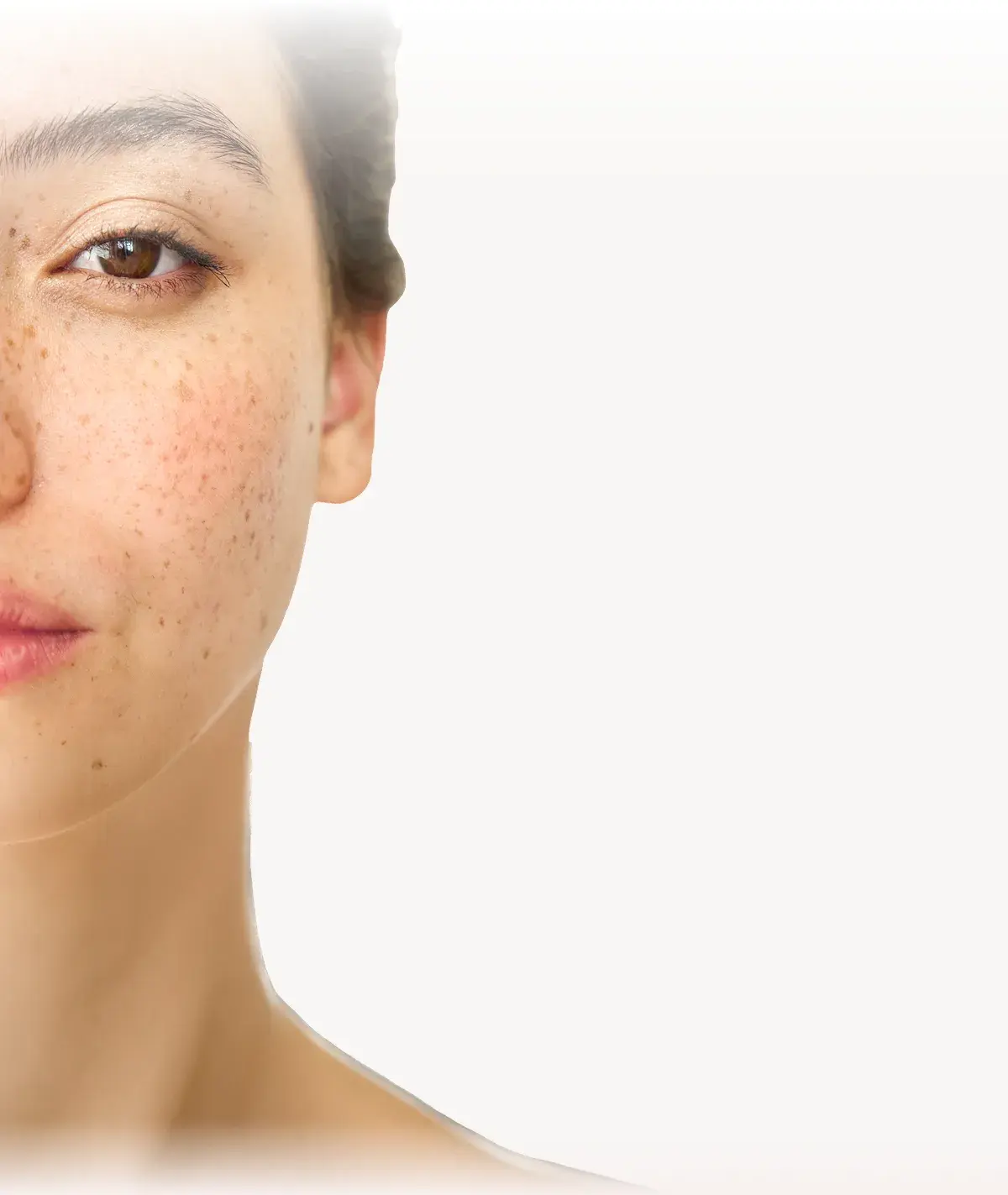
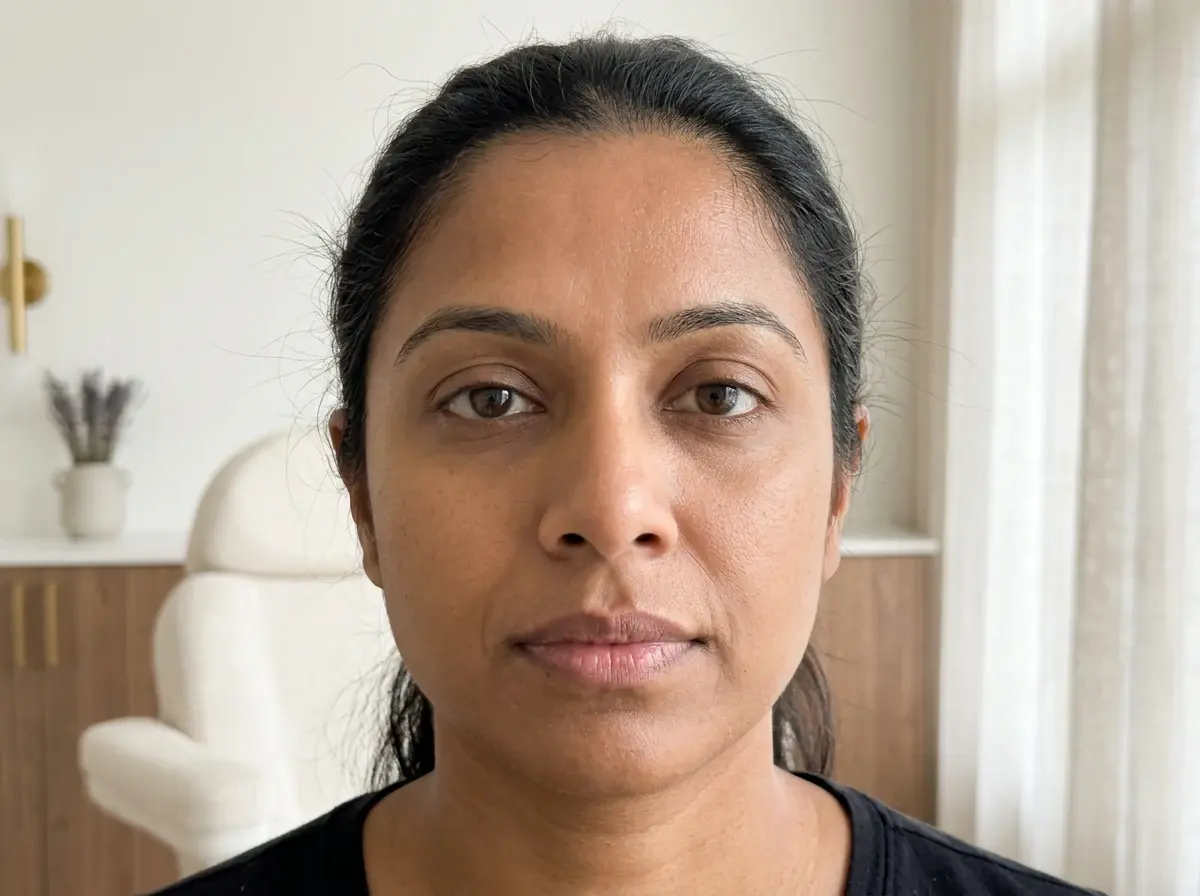
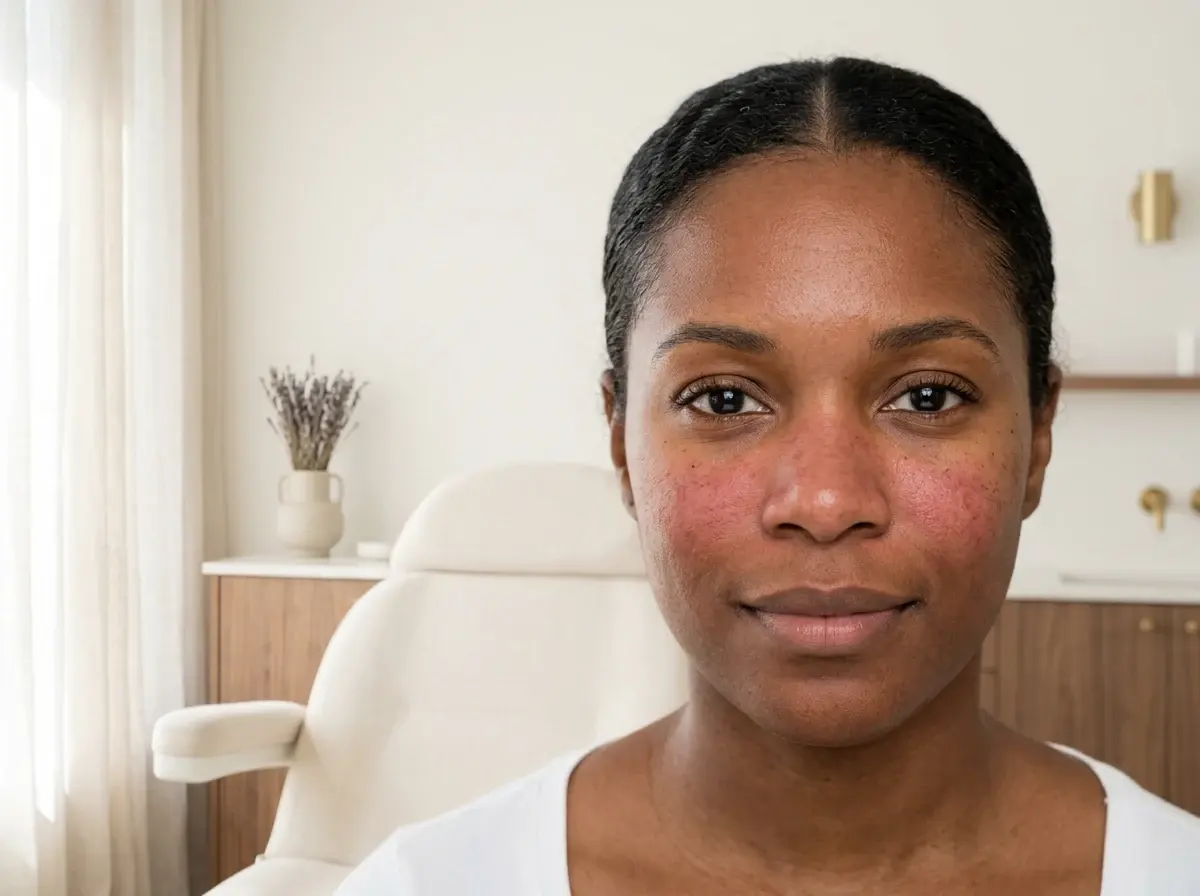
You used to have one skin tone, and now you have several. A patch that reads darker in photos, a scatter of sun spots, old acne marks that never quite finished fading. Even tone is not a single fix, it is a layered correction.

Uneven Skin Tone
The patches foundation keeps revealing.
You used to have one skin tone, and now you have several. A patch that reads darker in photos, a scatter of sun spots, old acne marks that never quite finished fading. Even tone is not a single fix, it is a layered correction.
CONCERN & CAUSES
Why Skin Tone Becomes Uneven
Uneven tone is an umbrella term. The patches in the mirror come from different mechanisms, and the right treatment depends on which one is driving your particular pattern.
01
Post-Inflammatory Pigment
Dark marks left behind after acne, eczema, or ingrown hairs, where skin overproduced melanin while healing and never reabsorbed it. More common and longer-lasting in deeper Fitzpatrick tones.
02
Hormonal Melasma
Hormonally driven pigment from pregnancy, oral contraceptives, or hormone therapy, worsened by UV and visible light. It sits deeper than other patterns and needs its own calibrated protocol.
03
Sun-Induced Dyschromia
Sun spots, lentigines, and mottled background pigment from years of cumulative UV exposure. These are the patches that surface in your thirties and forties across the cheekbones, temples, and chest.
04
Background Dullness
When cell turnover slows with age, dead cells linger on the surface. Skin loses its uniform reflectivity and starts to read grey, tired, or muddy even when no distinct spots are visible.
Treatment Benefits
Layered Protocols for Even Tone in Pickering
Even tone usually requires more than one modality. Victoria, an RN with over a decade of clinical experience, lightens what is dark, brightens what is dull, and refines the background so light reflects uniformly across the face again.
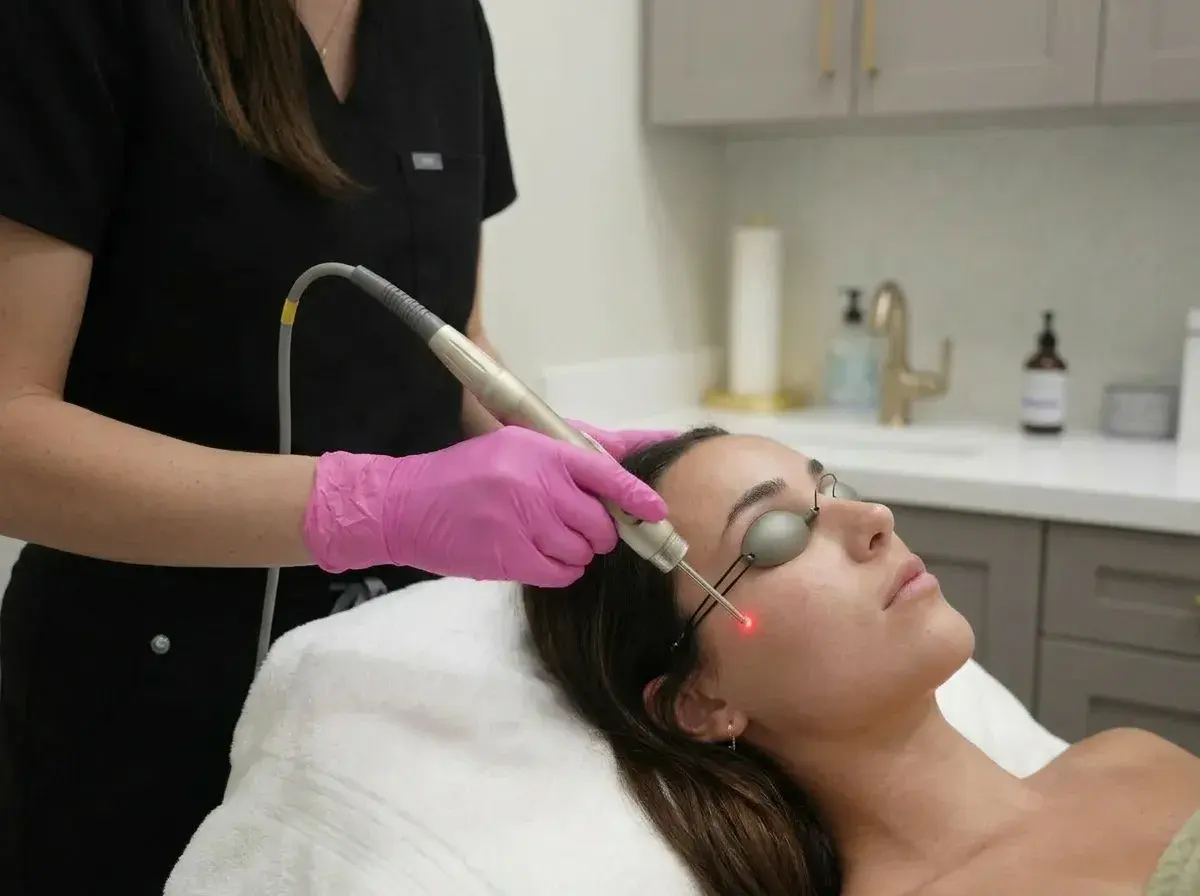
Hyperpigmentation Treatment
A laser treatment that targets the melanin clusters creating dark spots and post-inflammatory marks. The energy is absorbed by pigment and fragments it for the body to clear naturally.
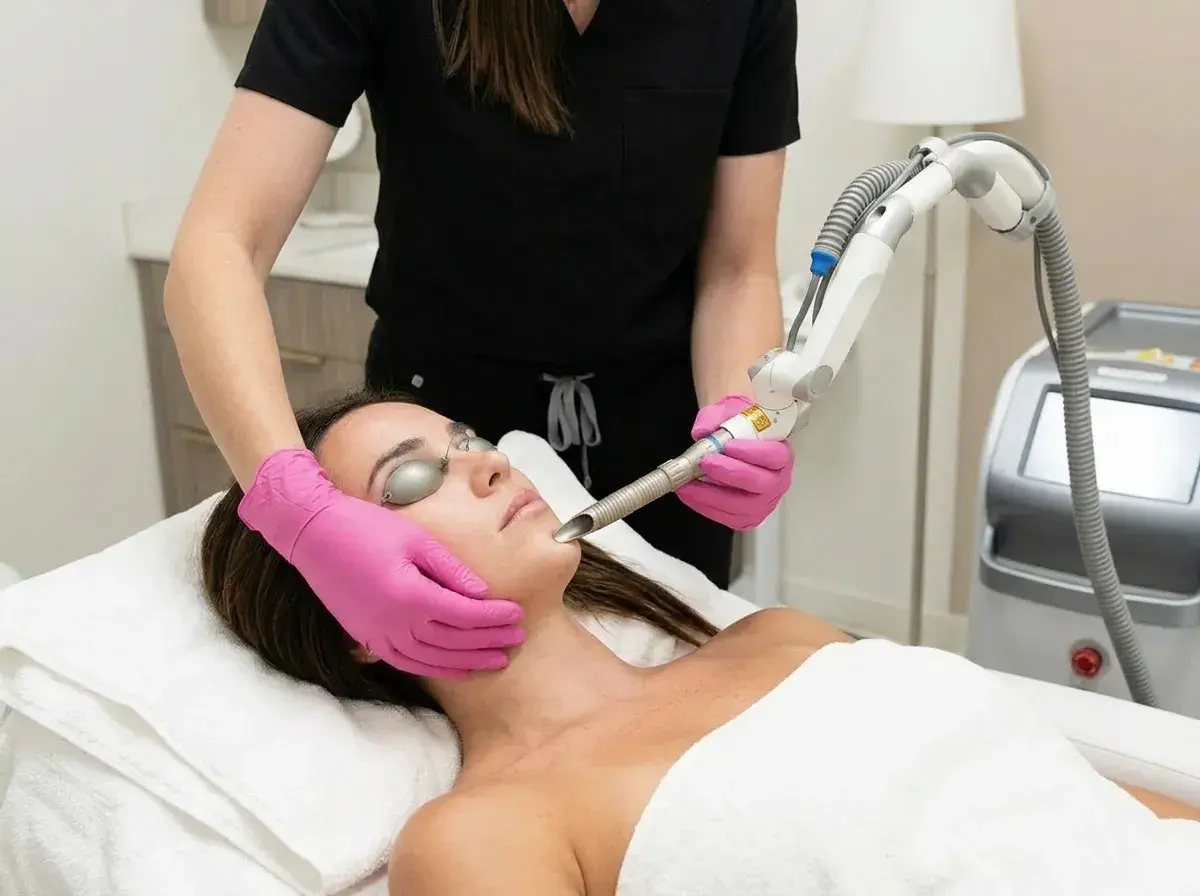
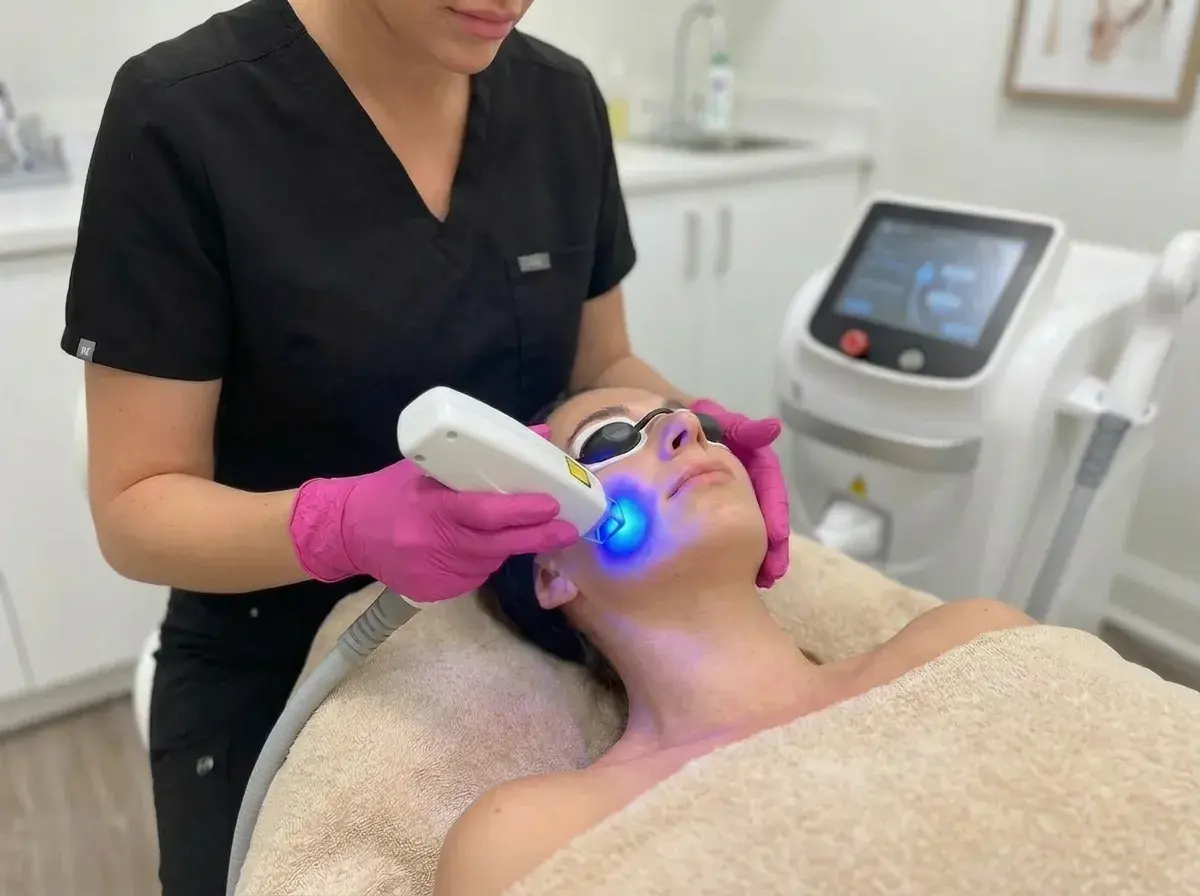
4D Facelift
A laser treatment that layers several modalities, including surface resurfacing, to even the background tone of the entire face rather than chasing single spots.
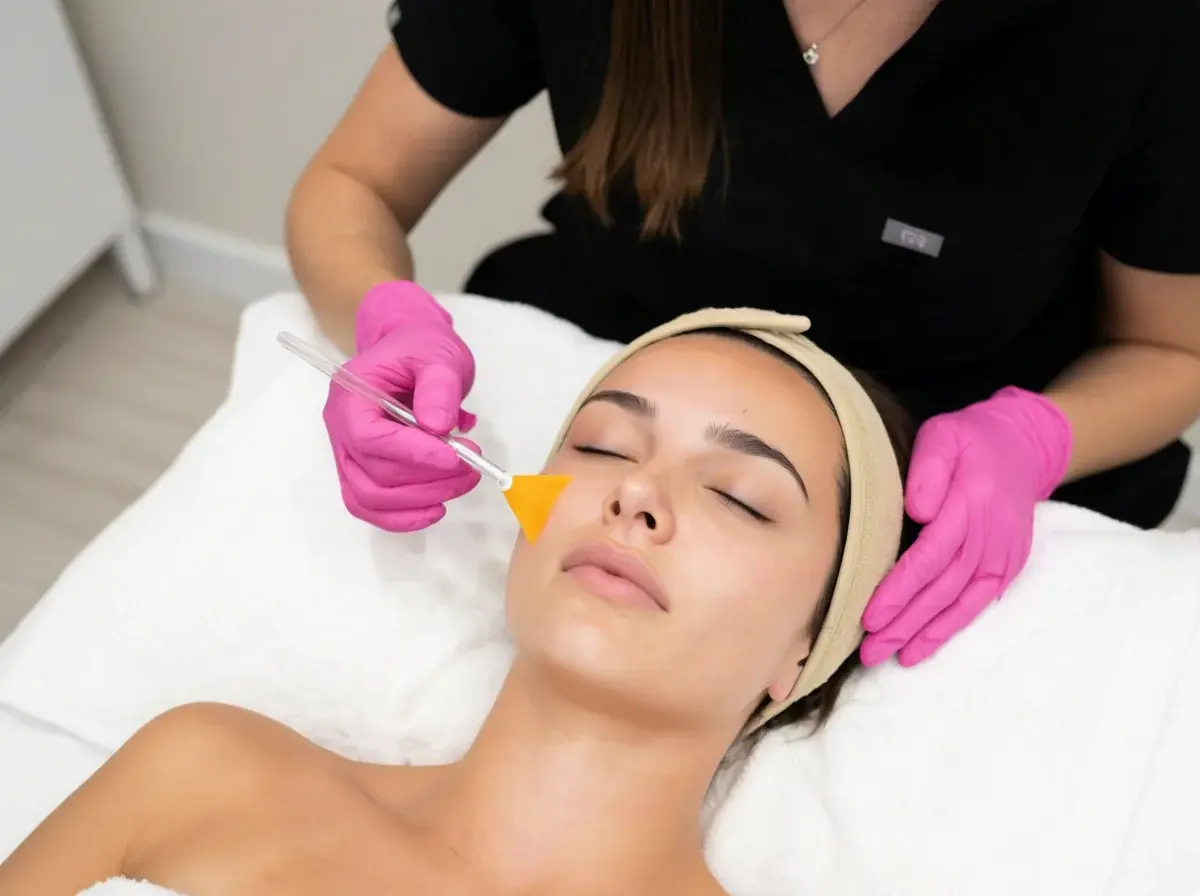
Chemical Peels
A clinical-grade peel that accelerates cell turnover so pigmented, dulled surface tissue lifts off and clearer skin comes through.
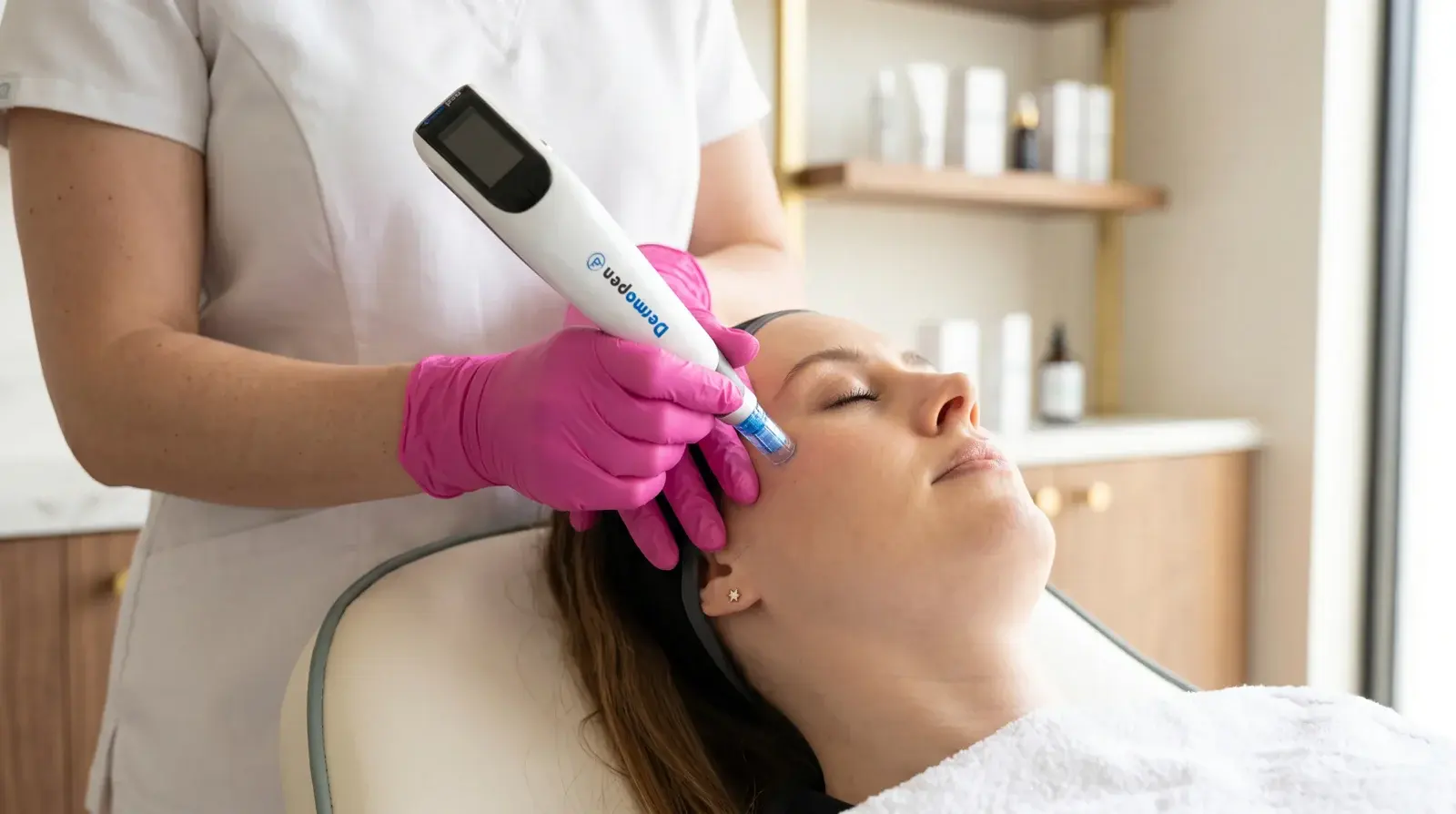
DP4 Microneedling Facial
A microneedling treatment that creates controlled micro-channels to trigger collagen remodelling and help disperse stubborn pigment over a series.
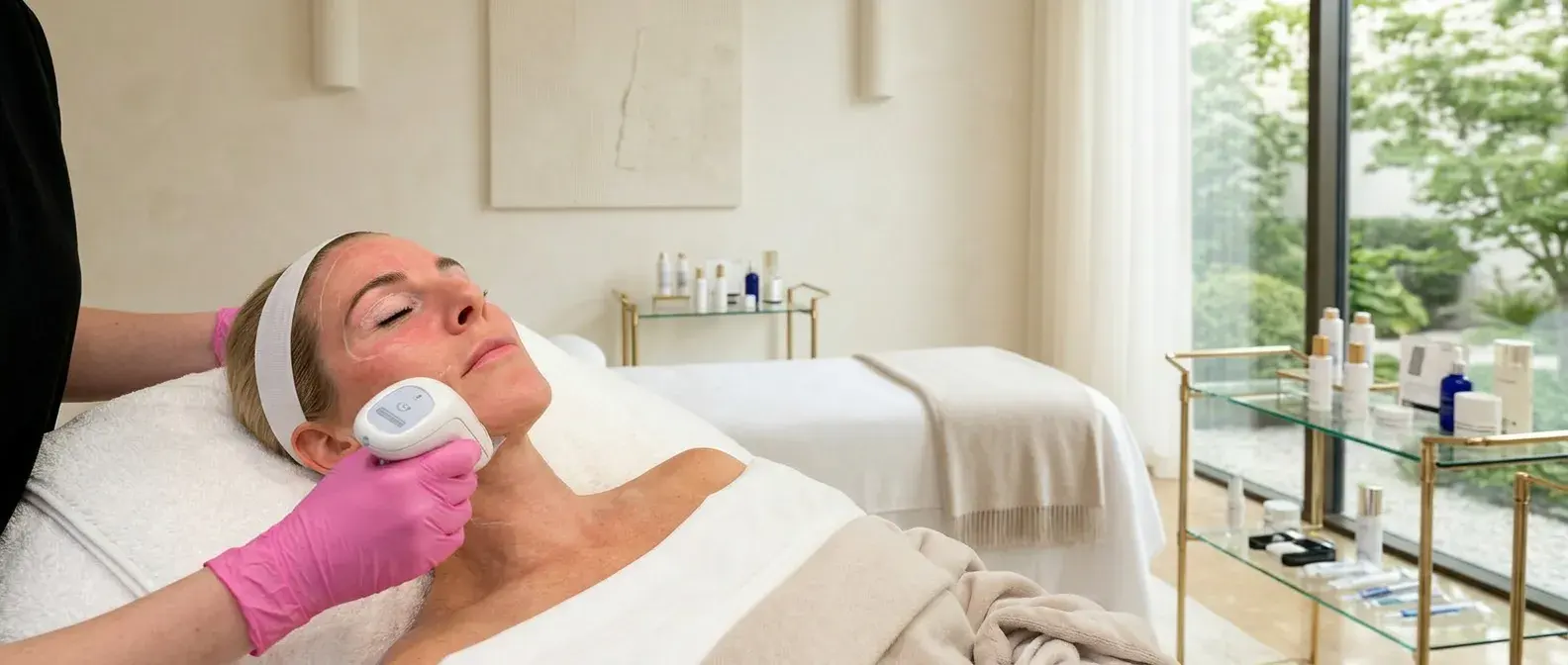
Melasma Treatment
A protocol calibrated for melasma, the deeper and more reactive pigment that sits below most other patterns and behaves differently.
How to Protect Your Even Tone
Treated pigment stays cleared, but tone recurs if the trigger keeps firing. Sun, hormones, and inflammation all reactivate melanin. Daily protection carries the result over the long run, and the habits below are how you hold it.

Cleanse Gently

Treat Daily

Hydrate the Barrier

Mask Strategically

Protect Daily
Recommended Skincare Protocol
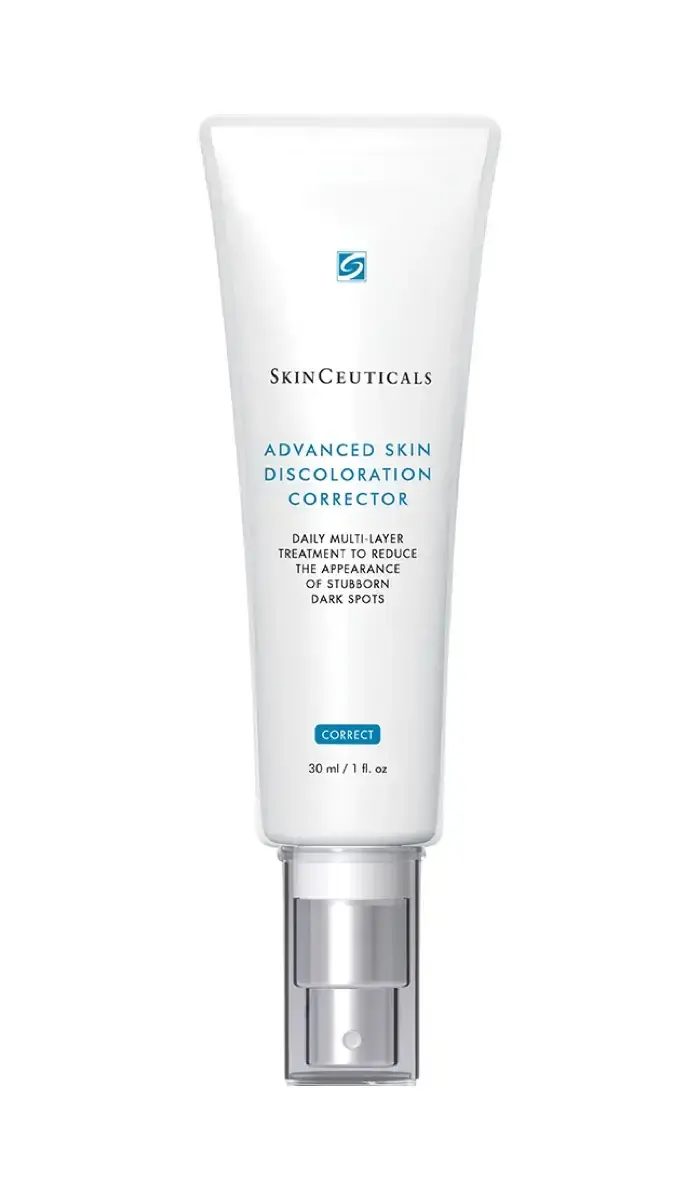
Advanced Skin Discoloration Corrector
A daily lightweight corrective lotion that reduces stubborn discolouration and helps hold an even tone between treatments, layered under your morning SPF.



.webp&w=3840&q=75)




Skin Club Membership
Join the Skin Club
Exclusive Savings on Every Visit.
Beautiful skin is a long-term commitment, and Skin Club membership makes that commitment rewarding. Members receive preferred member pricing, priority booking with their preferred practitioner, and a personalized treatment roadmap so results keep building with every visit.
Discounted treatment packages and member-only pricing
Priority booking and scheduling with your preferred practitioner
Complimentary skin assessments & personalized treatment plans


The right plan starts with the right assessment.
Same-week consultations. No referral required.
FAQ
Common Questions About
Uneven Skin Tone
There is no single answer, because uneven tone has several causes. For sun spots and post-inflammatory pigment, laser hyperpigmentation treatment is the strongest option. For diffuse dullness and background mottling, a 4D Facelift or a chemical peel series brightens evenly. Most patients benefit from a layered plan rather than one modality on its own.
Typically three to six sessions across modalities, spaced four to six weeks apart. Diffuse dullness can shift within one or two peels. Stubborn post-inflammatory pigment and sun spots usually need a longer laser series. Your practitioner reviews progress at each visit and adjusts the plan.
Yes, but the settings and protocol selection are different. Fitzpatrick IV to VI patients need lower fluences, longer wavelengths, and careful pre-treatment to reduce the risk of post-inflammatory pigment. Victoria has experience treating darker skin tones and chooses devices and settings accordingly.
Pigment recurs if the underlying trigger continues. Sun exposure, hormonal fluctuation, and inflammation all reactivate melanin production. Treatment lightens what is already there, while daily SPF, identifying hormonal contributors, and a maintenance schedule help prevent return.
Not quite. Melasma is a specific, hormonally driven pattern of pigmentation. Uneven tone is a broader category that includes melasma but also sun spots, post-acne marks, and dullness. If your unevenness is symmetrical and worsens with sun or hormones, the dedicated melasma page may be a better fit.
Yes, especially for tone issues paired with texture concerns. Microneedling supports collagen remodelling and helps disperse pigment over a series of sessions. It is gentler on darker skin tones than aggressive laser resurfacing, which makes it useful in protocols where laser carries more risk.
Sometimes. A light peel can pair with a microneedling session. Stronger laser work is usually spaced out from other modalities to let the skin recover. Your practitioner sequences the plan so each treatment supports the next without overloading the skin.
Cost depends on which modalities you need, how many sessions, and whether you are layering protocols. Pricing is reviewed in detail at your consultation so you can plan with confidence, with no surprises after the assessment.
Peels typically involve two to five days of mild flaking. Laser hyperpigmentation treatment may cause temporary darkening of spots before they lift, plus mild redness for a few days. Microneedling involves one to three days of pinkness. Your practitioner walks you through what to expect for your specific plan.
It can in the short term, which is why the plan covers the whole pattern rather than a single spot. Victoria treats dark marks and background dullness as one canvas, sequencing the modalities so the corrected areas blend into the surrounding skin rather than standing out against it.