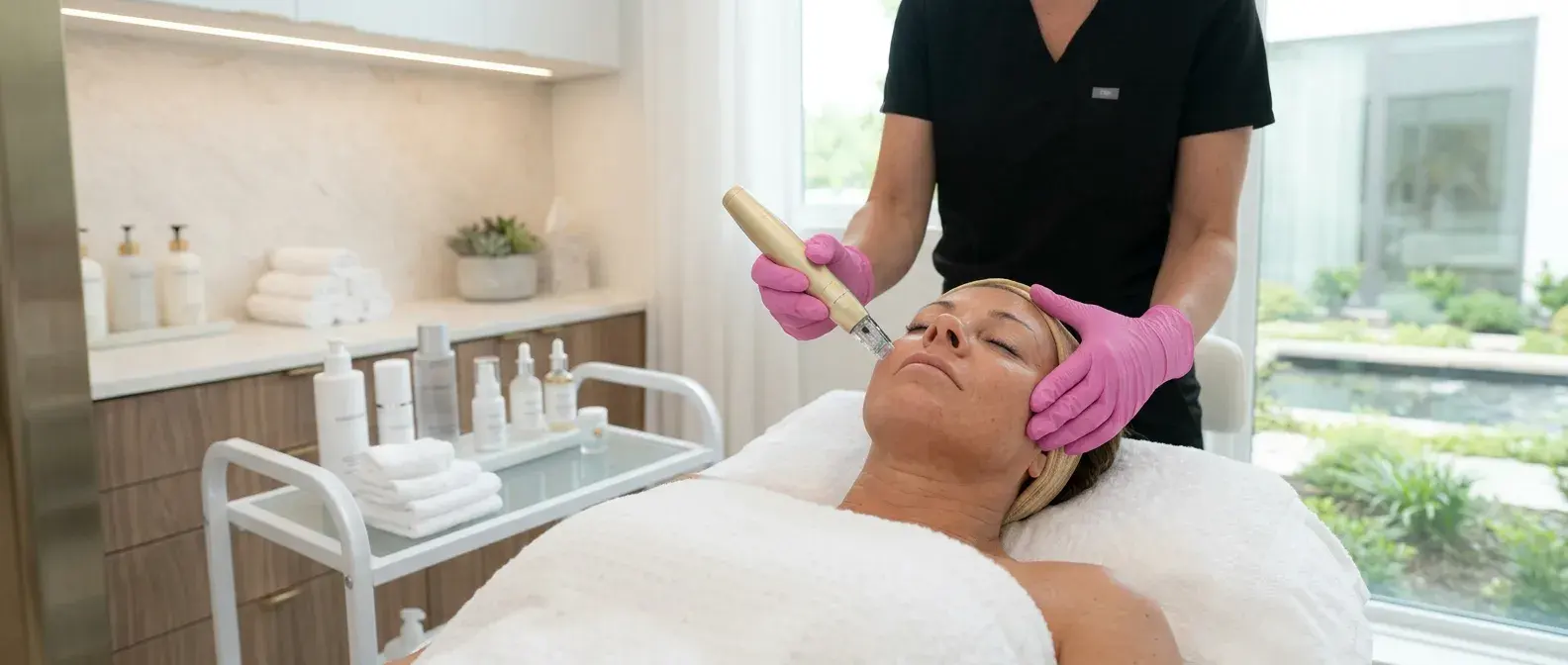
Acne Scars
The marks the breakouts left behind.
The breakouts stopped, but the skin underneath was not the same. Small indentations you can feel with a fingertip, uneven texture that catches the light, shadows that show up in every photo. Acne scars are structural damage in the dermis, not a surface texture you can buff away at home.
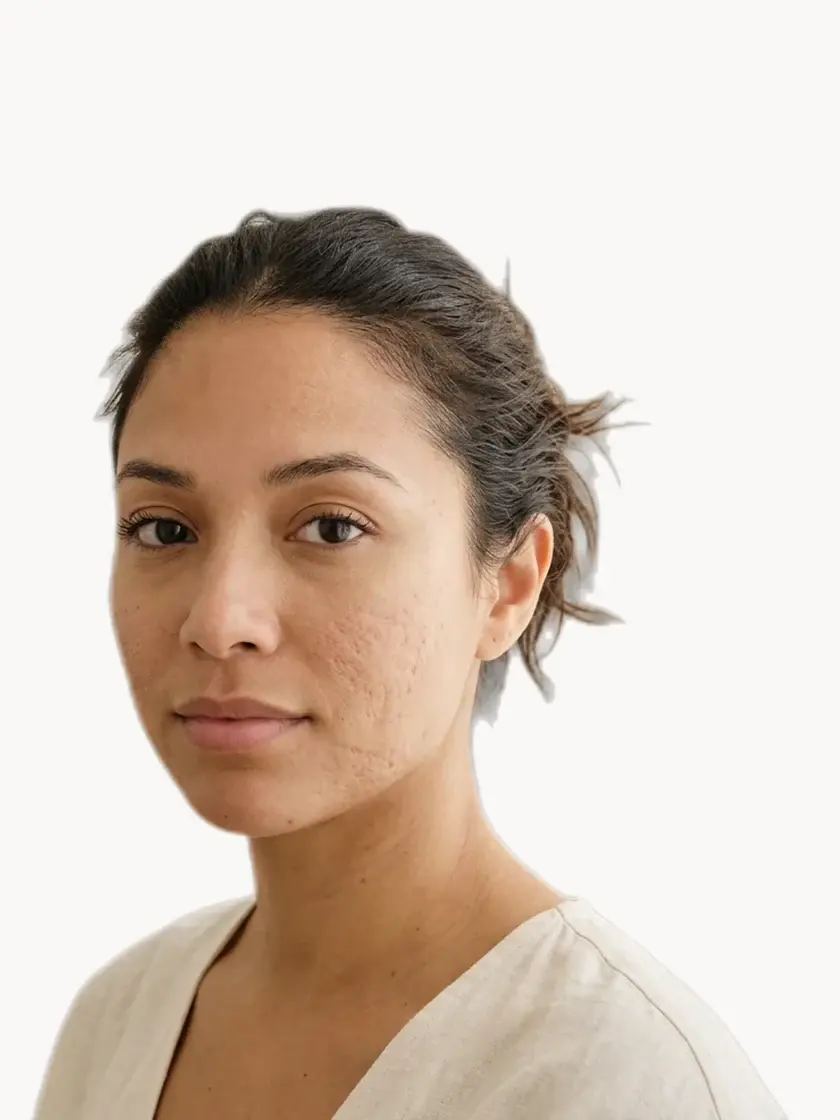
Acne Scars
The marks the breakouts left behind.
The breakouts stopped, but the skin underneath was not the same. Small indentations you can feel with a fingertip, uneven texture that catches the light, shadows that show up in every photo. Acne scars are structural damage in the dermis, not a surface texture you can buff away at home.
CONCERN & CAUSES
Why Acne Leaves Scars
Inflammatory acne damages collagen in the dermis, and the skin does not always repair itself evenly. The result is a mix of scar types, and each one responds to a different depth and tool.
01
Ice Pick Scars
Narrow, deep pits that look as though the skin was punctured with a sharp point. They reach far into the dermis, which makes them the most stubborn type to lift toward the surrounding surface.
02
Boxcar Scars
Wider depressions with angular edges that read like small craters, most common across the cheeks and temples. Their moderate depth tends to make them responsive to resurfacing and collagen work.
03
Rolling Scars
Broad, shallow undulations that create a wave-like texture across the skin. Fibrous bands beneath the surface tether the skin downward, so treatment has to release the bands and rebuild lost collagen.
04
Mixed Texture
Most patients carry more than one scar type at once, layered over rough texture and post-acne marks. A single approach rarely reaches everything, so the plan is matched to each depth and structure.
Treatment Benefits
Layered Protocols for Acne Scars in Pickering
Acne scars rarely respond to one tool. Victoria, an RN with over a decade of clinical experience, maps your scar types and depth first, then combines collagen-building and resurfacing work so each step builds on the structure the last one rebuilt.
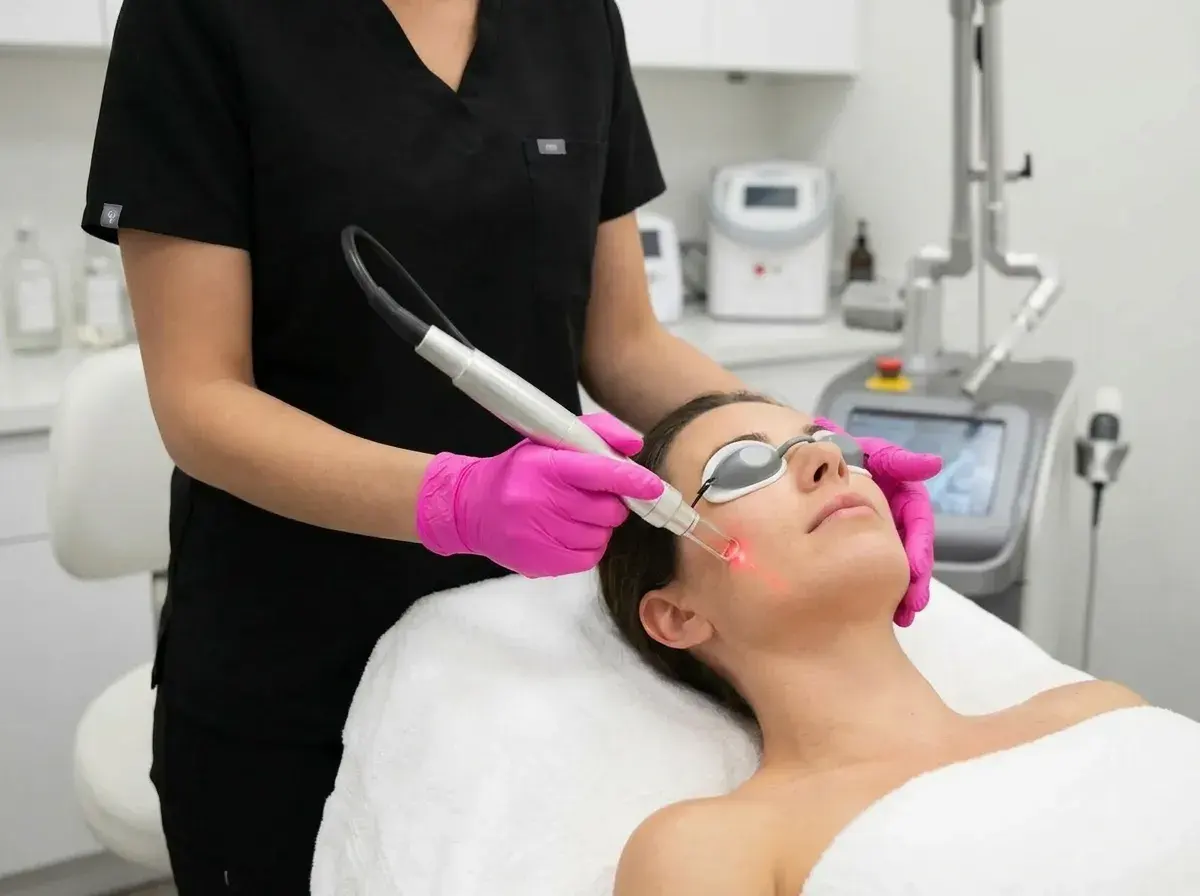
Acne Scar Reduction (Laser)
A laser resurfacing treatment that delivers focused energy into scar tissue to break down damaged collagen and trigger the skin to rebuild with new, healthy fibres.
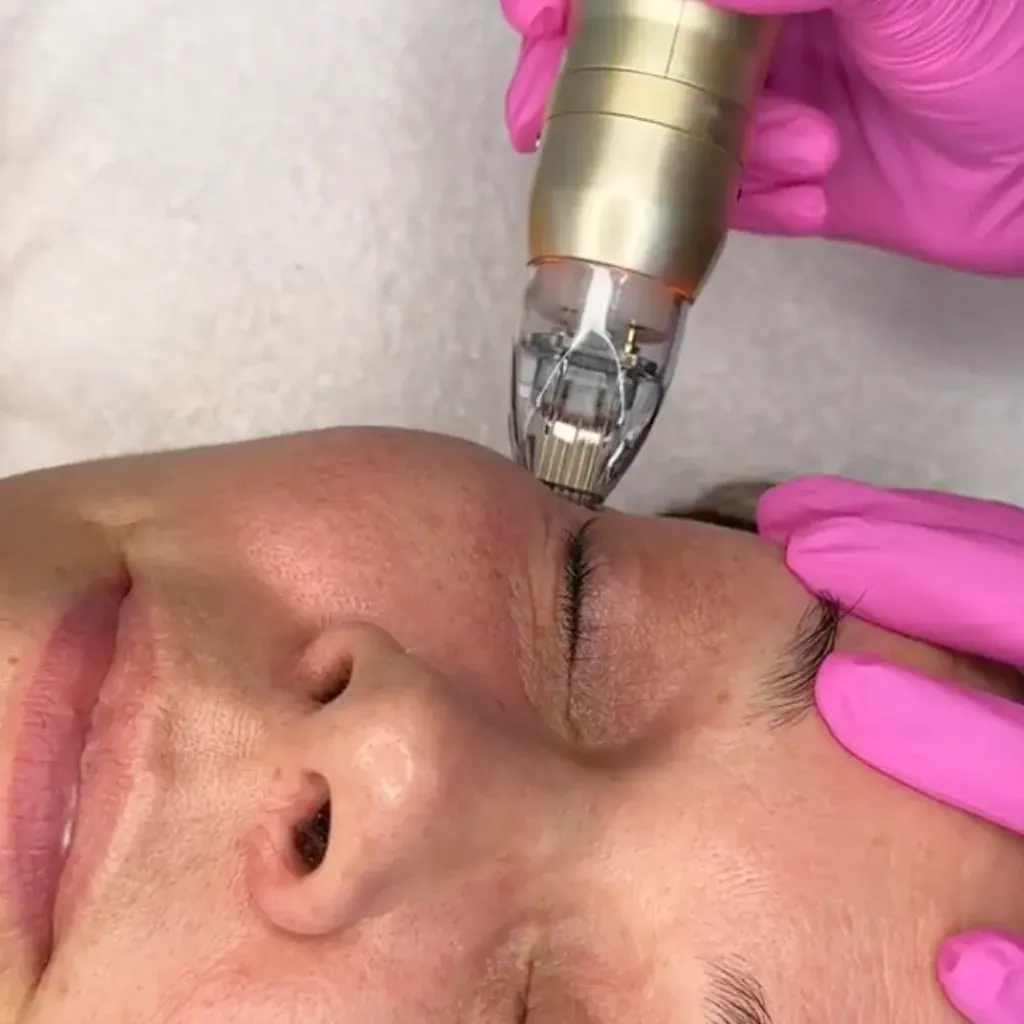
RF Microneedling
A treatment that combines microneedling with radiofrequency energy delivered at adjustable depths, reaching the dermal layer where scar tissue has replaced healthy collagen.
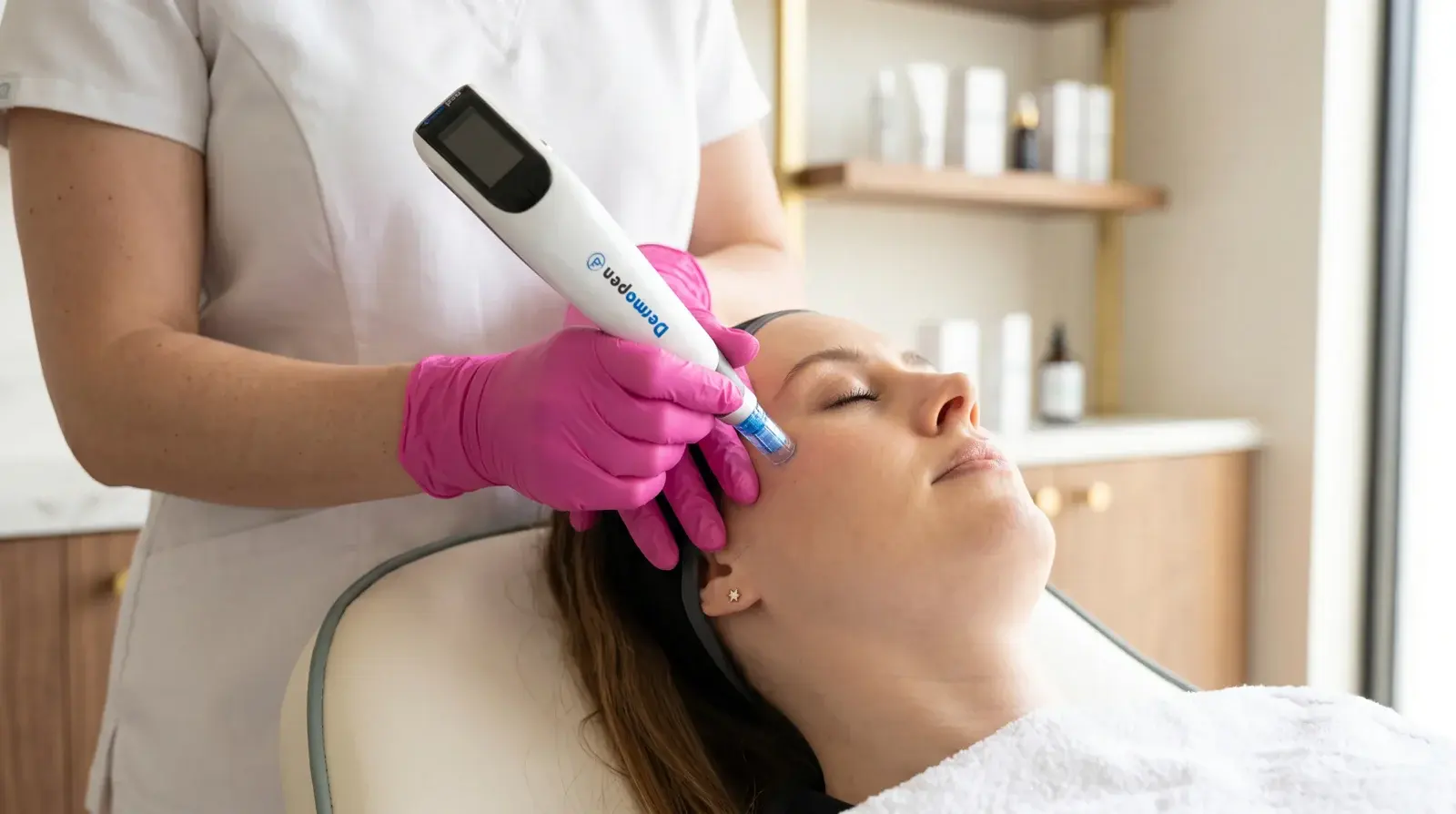
DP4 Microneedling
A microneedling treatment that creates controlled micro-injuries at adjustable depths, with deeper settings used to target scar tissue directly.
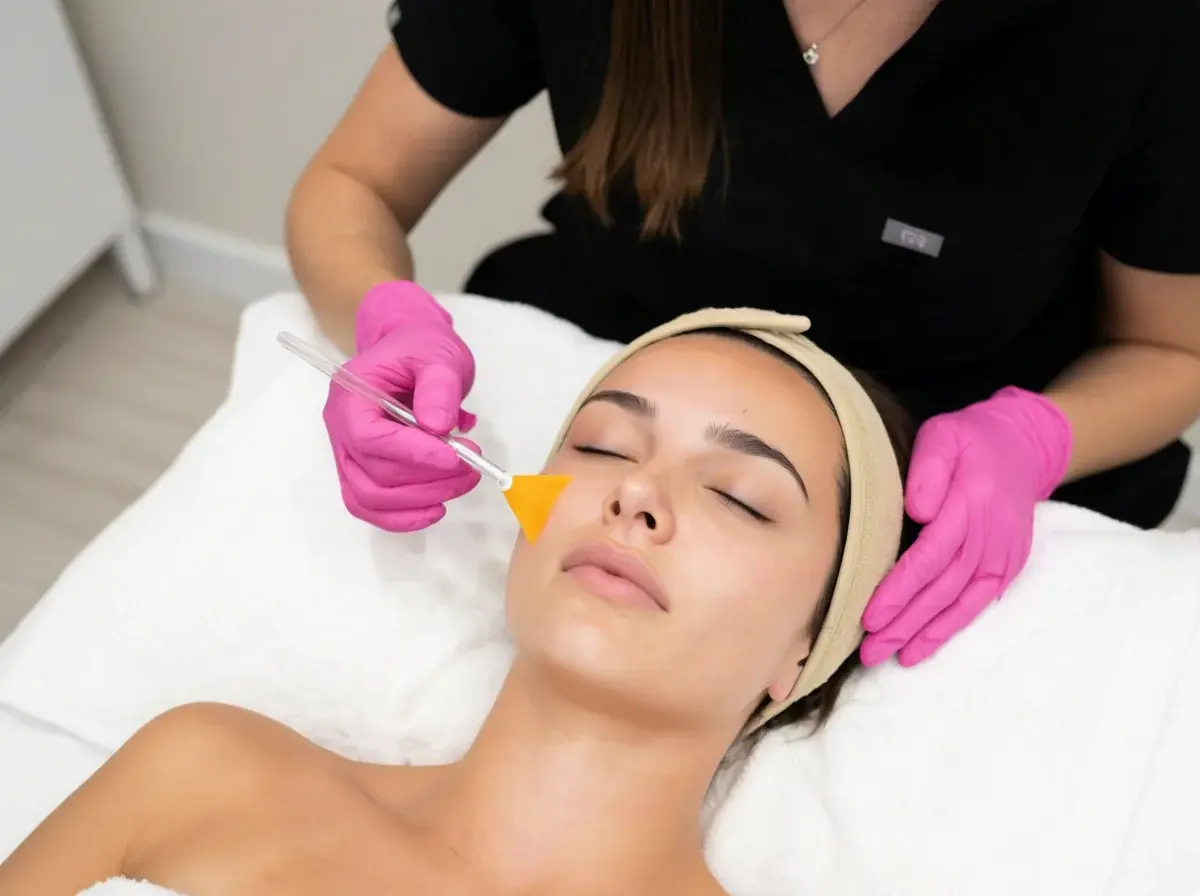
Chemical Peel
A clinical-grade peel that accelerates turnover in the upper skin layers to improve surface discolouration and mild textural irregularities.
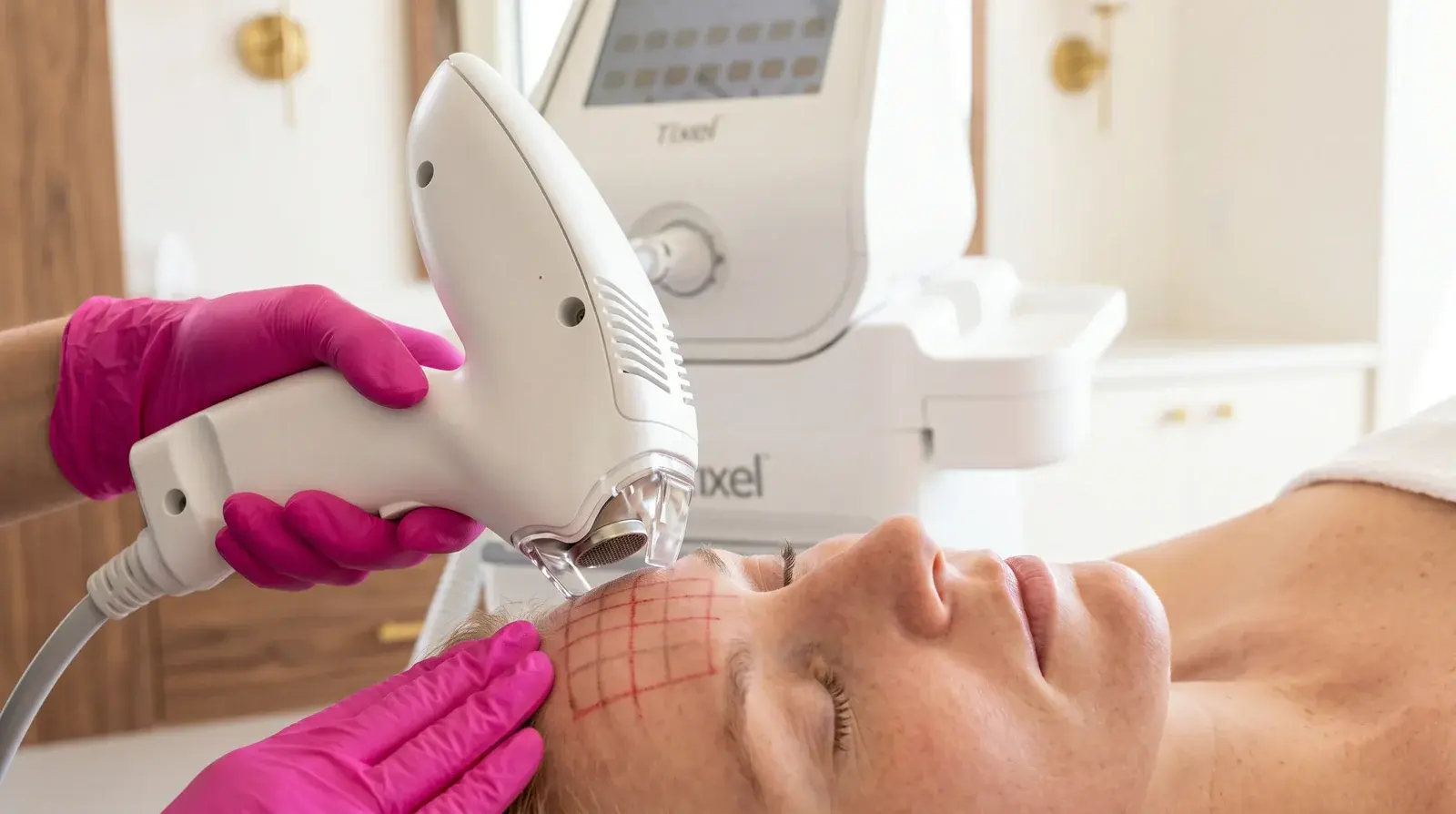
Tixel
A thermal-energy resurfacing treatment that uses a heated titanium tip to create fine micro-channels and prompt renewal in the upper dermis.
How to Protect Your Skin After Treatment
Resurfacing and collagen work rebuild scar tissue over a series, but recovering skin is sensitive and new collagen takes weeks to settle. The habits below keep the barrier calm and protect every result while the skin remodels.

Cleanse Gently
Treat Texture Daily

Hydrate the Barrier

Mask Strategically

Protect Daily
Recommended Skincare Protocol
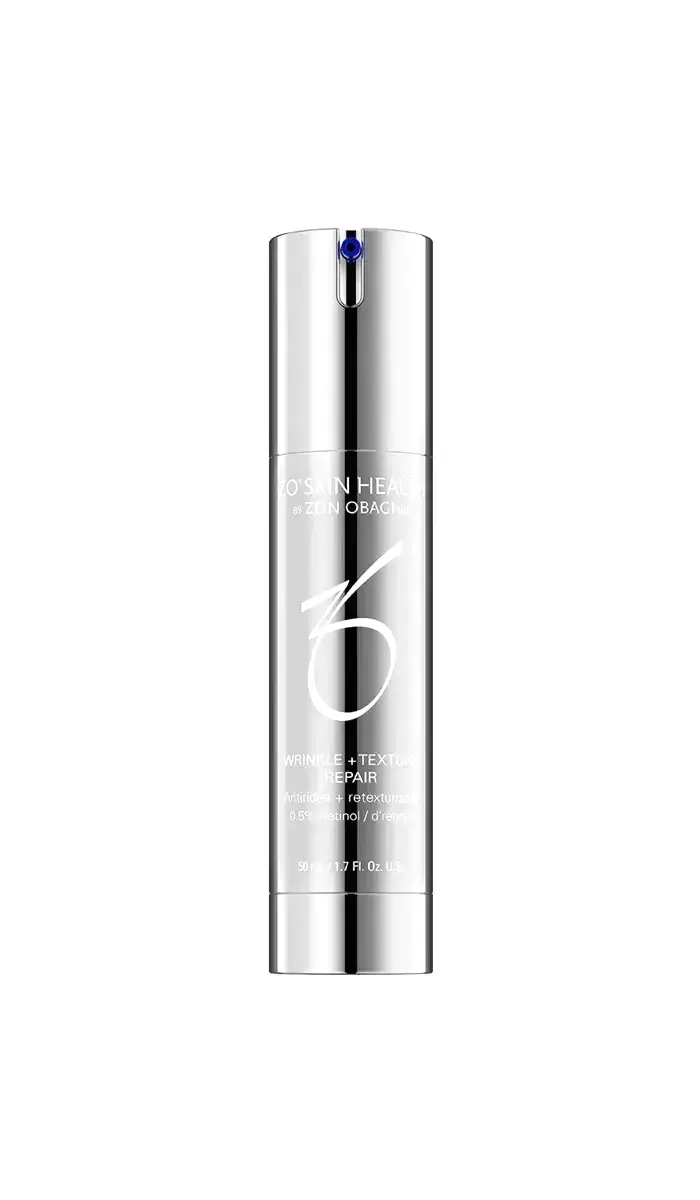
Wrinkle + Texture Repair
A high-potency retinol that supports the same collagen turnover your in-clinic treatments start, refining surface texture and helping hold scar-smoothing results between sessions.



.webp&w=3840&q=75)


Skin Club Membership
Join the Skin Club
Exclusive Savings on Every Visit.
Beautiful skin is a long-term commitment, and Skin Club membership makes that commitment rewarding. Members receive preferred member pricing, priority booking with their preferred practitioner, and a personalized treatment roadmap so results keep building with every visit.
Discounted treatment packages and member-only pricing
Priority booking and scheduling with your preferred practitioner
Complimentary skin assessments & personalized treatment plans


The right plan starts with the right assessment.
Same-week consultations. No referral required.
FAQ
Common Questions About
Acne Scar Treatment
RF microneedling produces the strongest overall improvement for indented acne scars, because it delivers energy to the dermal layer where scar tissue sits. Combining it with laser resurfacing or chemical peels enhances results for patients carrying more than one scar type. Victoria sets the combination after mapping your scars at the consultation.
Most patients need three to six sessions spaced four to six weeks apart. The number depends on scar depth, scar type, and how your skin responds. Your practitioner assesses progress at each visit and adjusts the plan rather than committing you to a fixed package upfront.
Significant improvement is realistic, and most patients see a meaningful reduction in how visible their scars are. Complete removal is rare, especially for deep ice pick scars, but clinical treatment that rebuilds collagen reaches results topical products cannot. Victoria sets expectations honestly for your specific scar pattern.
Boxcar scars are wider depressions with sharp, angular edges. Rolling scars create wave-like undulations from fibrous bands tethering the skin. Ice pick scars are narrow and deep. Each type forms differently and responds to a different treatment depth and energy, which is why most plans combine tools.
Recovery depends on the intensity of your session. Most patients have redness and mild swelling for three to seven days as the skin settles. Your practitioner selects settings that balance the depth of result with downtime you can manage around your schedule, and walks you through recovery before booking.
RF microneedling delivers radiofrequency energy at depth, which drives stronger collagen remodelling than standard microneedling alone. For moderate to deep acne scars it usually achieves better results in fewer sessions. For shallower texture, standard microneedling can still be the right, gentler choice.
Pricing depends on which treatments your plan combines, how many sessions you need, and the areas being treated. We outline costs in detail at your consultation so you can plan the full protocol upfront rather than session by session.
Chemical peels improve surface-level texture and discolouration, but they cannot reach deep scar tissue on their own. They work as part of a multi-treatment protocol, refining the surface while microneedling or laser rebuilds the structure underneath over a series.
We recommend waiting until active breakouts have been fully controlled for at least three months before starting scar treatment. Treating scars while acne is still active risks new scarring and can compromise results. Victoria confirms your skin is ready at the consultation.
Downtime varies by treatment. DP4 microneedling typically involves one to three days of redness, RF microneedling around three to five days, and laser resurfacing three to seven days depending on depth. Your practitioner walks you through what to expect for your specific plan before you book.