Crow's Feet
The lines that stay after the smile.
Crow's feet are the fine lines that fan out beside each eye. They used to show only when you laughed, then disappear. Now they settle in during a Zoom call or show up in the mirror before your face has done anything at all. There is a difference between lines that come and go and lines that have moved in to stay.

Crow's Feet
The lines that stay after the smile.
Crow's feet are the fine lines that fan out beside each eye. They used to show only when you laughed, then disappear. Now they settle in during a Zoom call or show up in the mirror before your face has done anything at all. There is a difference between lines that come and go and lines that have moved in to stay.
CONCERN & CAUSES
Why Crow's Feet Form
Most patients in their thirties and forties arrive with a mix of lines that move and lines that stay. In the treatment room, crow's feet usually split into a few distinct causes, and each one shapes the plan.
01
Repeated Muscle Movement
The orbicularis oculi rings each eye and folds the thin skin every time you smile or squint. Tens of thousands of contractions a year leave a mark that settles into the surface.
02
Thin, Delicate Skin
The skin around the eyes is among the thinnest on the face. It folds easily and recovers more slowly than the forehead or cheek, so lines set in here earlier than elsewhere.
03
Sun Exposure
Most people apply sunscreen to the cheeks and forehead and skip the eye area. Years of unprotected UV break down collagen and elastin in the skin that needs them most, deepening the lines.
04
Collagen Loss With Age
From your late twenties, collagen production drops around one percent a year. Less collagen means skin that creases under movement and then stays creased, shifting dynamic lines toward static ones.
Treatment Benefits
Softening the Lines Beside Your Eyes in Pickering
Crow's feet respond well to layered work. Victoria, an RN with over a decade of clinical experience, softens the muscle movement first, then supports the thin skin that holds the lines, so a light dose does the work without freezing your expression.

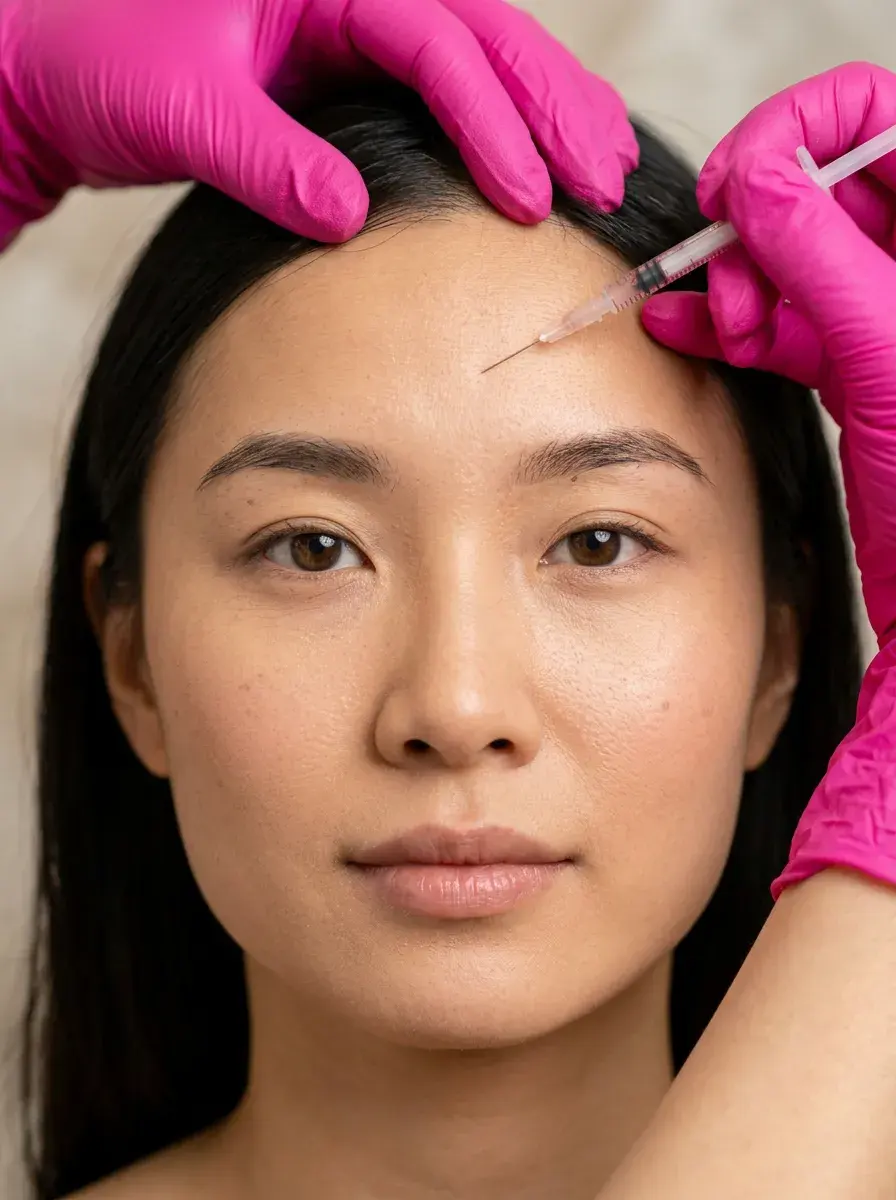
Botox
A neuromodulator placed precisely into the lateral eye muscle that folds the skin into crow's feet. It eases how forcefully the muscle contracts during expression.
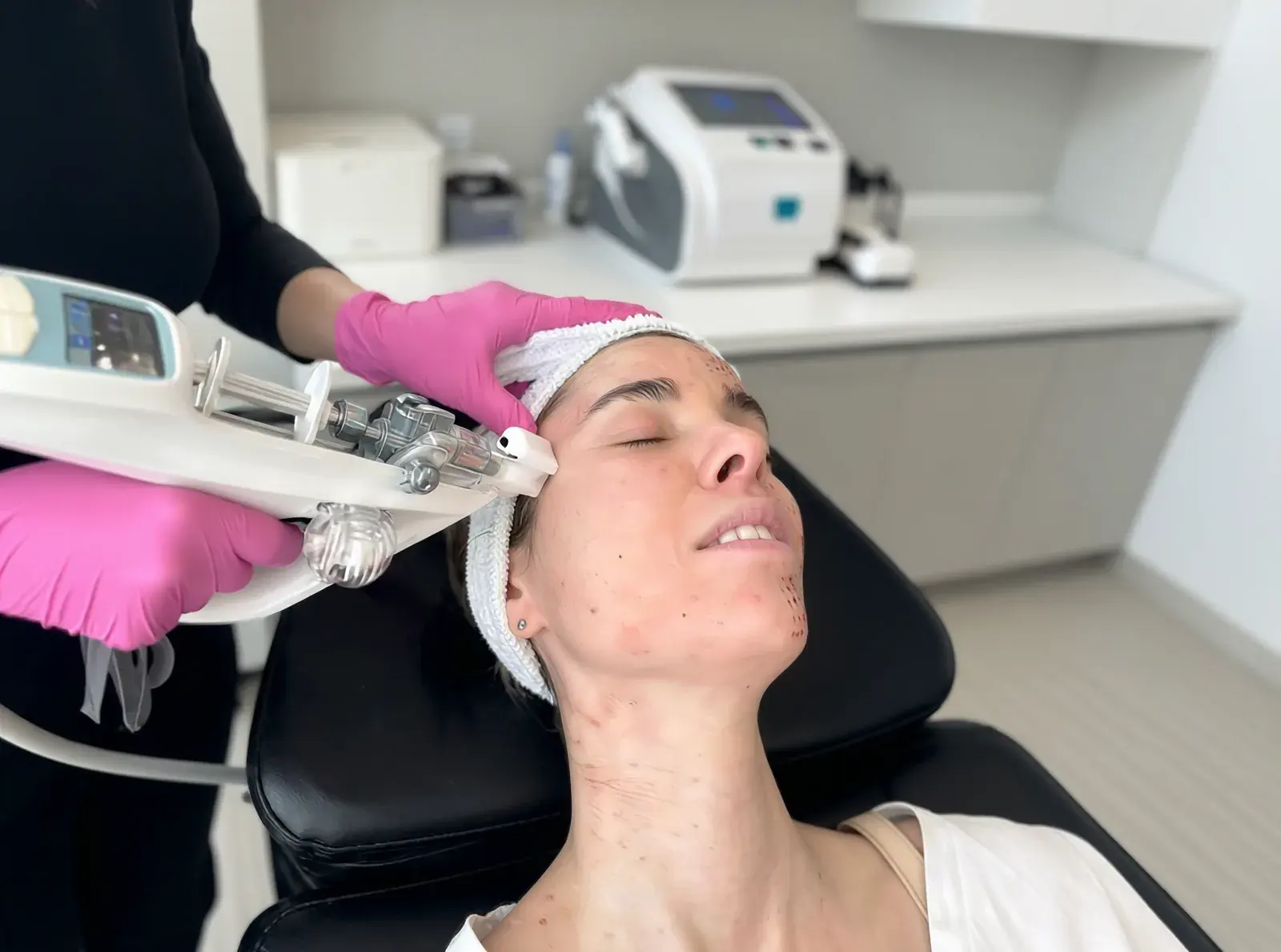
Skin Booster Microneedling
Microneedling paired with a hyaluronic acid skin booster that delivers hydration and growth factors into the dermis of the delicate eye area.
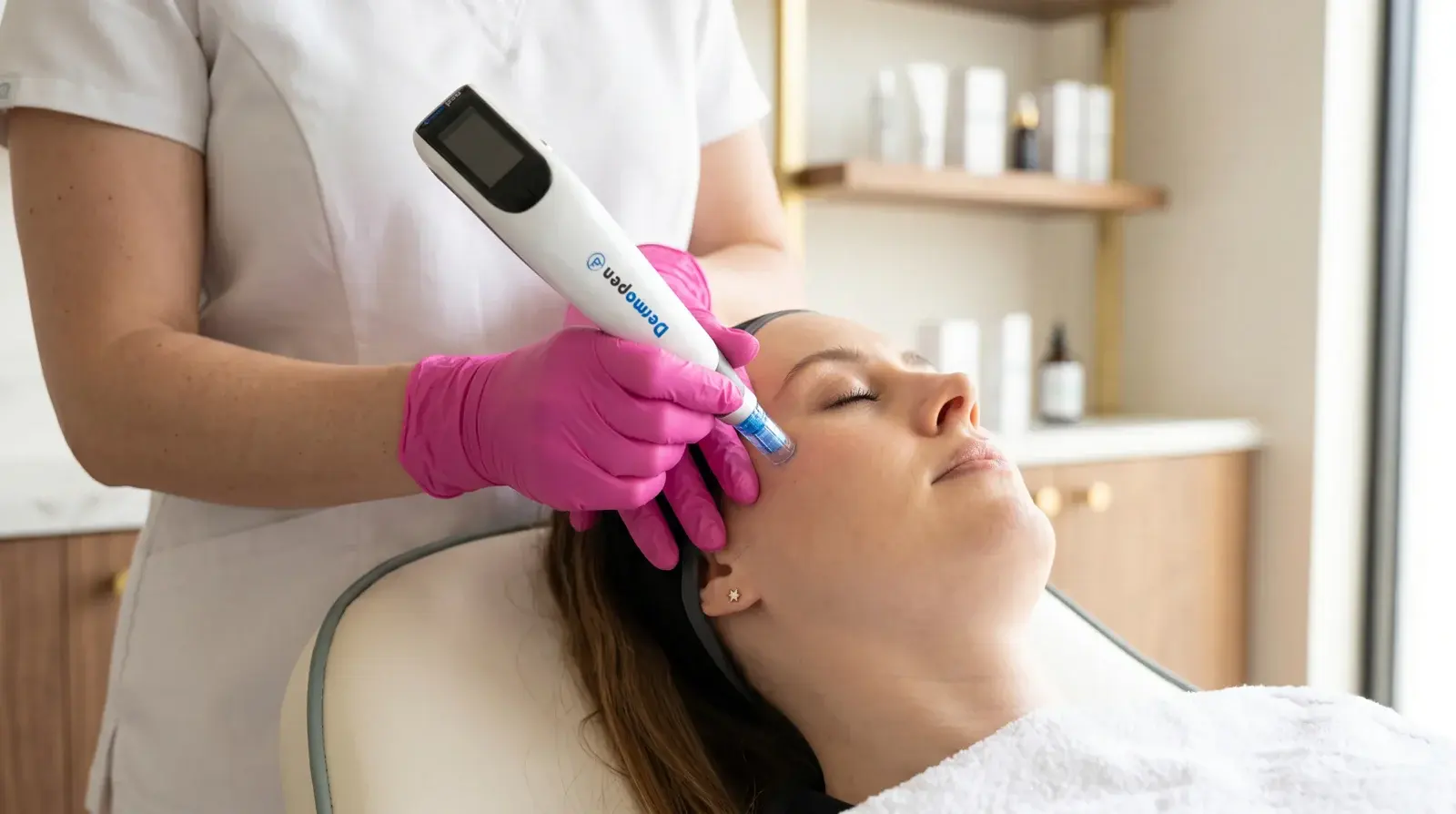
DP4 Microneedling Facial
A microneedling treatment that creates controlled micro-channels at adjustable depths to prompt collagen and elastin remodelling in the skin.
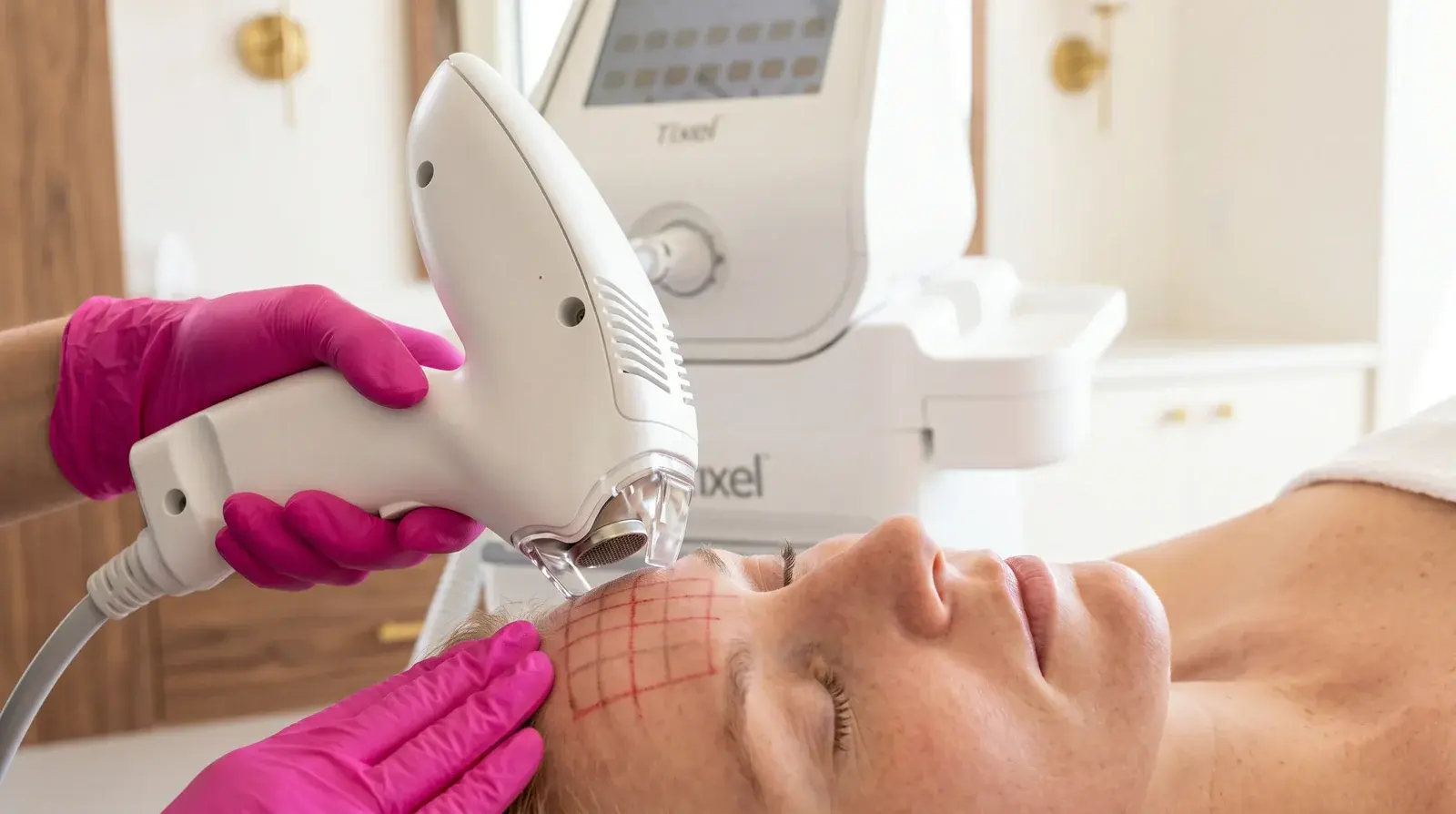
Tixel Treatment
A thermal-energy treatment that uses a heated titanium tip to resurface and tighten the upper dermis around the eyes.
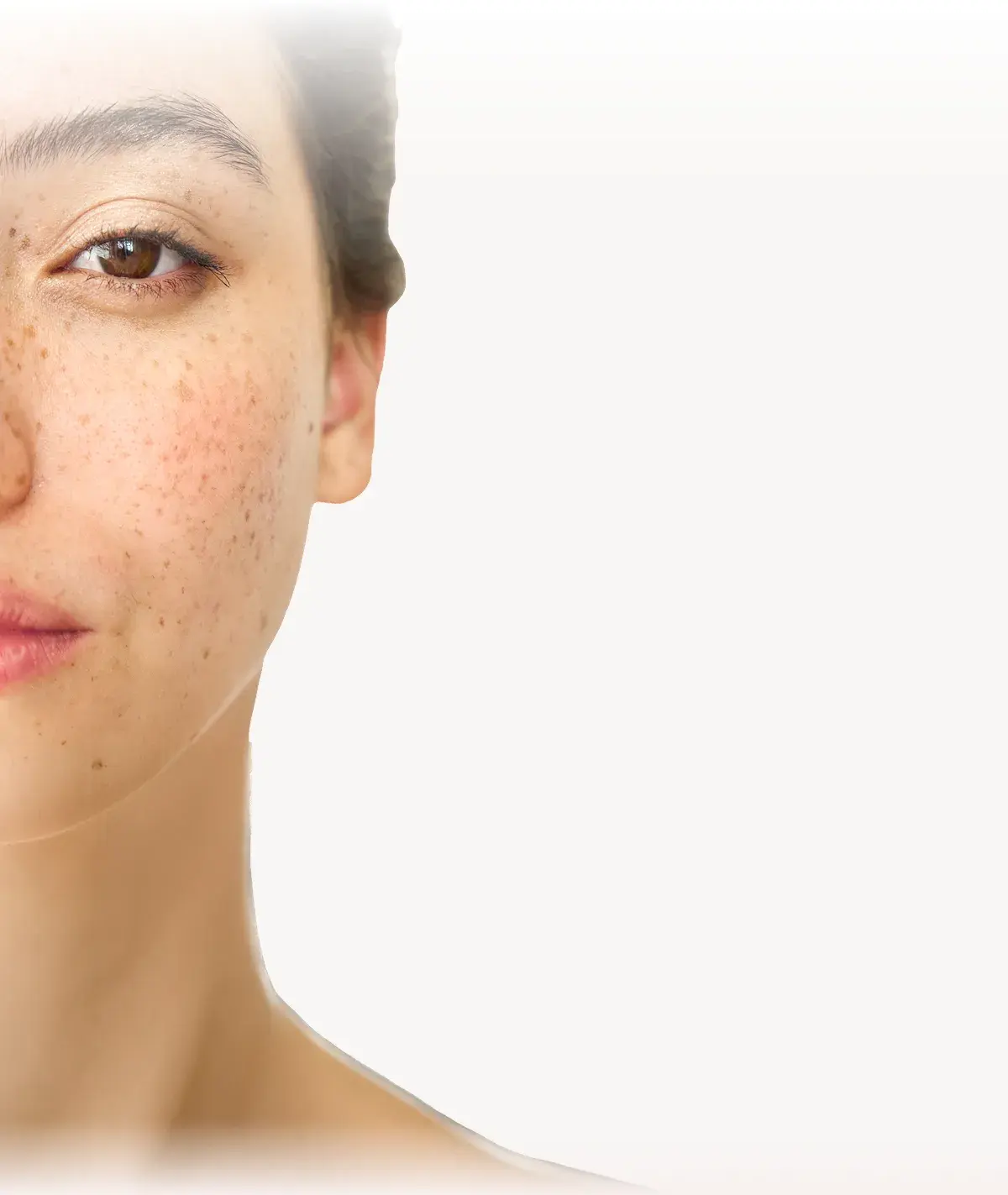
How to Protect the Skin Around Your Eyes
Treatment softens the lines, but the thin skin around the eyes keeps forming new creases with movement and unprotected UV. Daily care carries the result over the long run, and the habits below are how you hold it.

Cleanse Gently

Treat Daily

Hydrate the Skin

Mask Strategically

Protect Daily
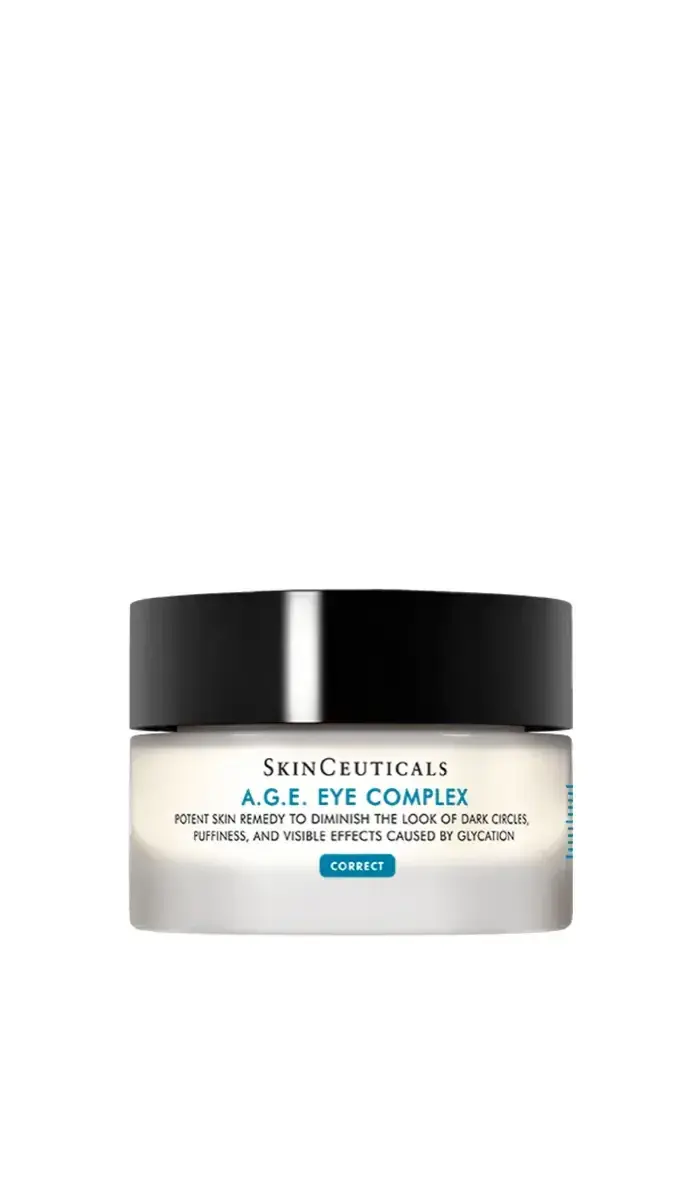
Recommended Skincare Protocol
A.G.E. Eye Complex
A targeted eye treatment for the look of crow's feet, puffiness, and dark circles. Applied daily, it supports the thin skin around the eyes and helps hold a smoother surface between treatments.




.webp&w=3840&q=75)





Skin Club Membership
Join the Skin Club
Exclusive Savings on Every Visit.
Beautiful skin is a long-term commitment, and Skin Club membership makes that commitment rewarding. Members receive preferred member pricing, priority booking with their preferred practitioner, and a personalized treatment roadmap so results keep building with every visit.
Discounted treatment packages and member-only pricing
Priority booking and scheduling with your preferred practitioner
Complimentary skin assessments & personalized treatment plans

The right plan starts with the right assessment.
Same-week consultations. No referral required.
FAQ
Common Questions About
Crow's Feet Treatment
Most patients need somewhere between 6 and 24 units per side, depending on muscle strength and how much movement you want to preserve. Victoria starts on the lower end of that range for first-time patients and assesses at the two-week mark before adding more, so the result softens the lines without flattening your expression.
Done correctly, no. The injection targets only the lateral muscle that folds the skin into crow's feet, not the muscles that lift your cheeks or move your mouth. You will still smile fully. The lines beside your eyes simply soften when you do, which is the whole point of a light, precise dose.
Results typically last 3 to 4 months. Some patients notice a slightly shorter duration in the eye area than in the forehead, because the muscle is smaller and metabolises the product more quickly. Regular treatment over time can extend the interval between sessions.
Dynamic lines that appear only when you smile can usually be softened substantially. Static lines that stay visible at rest improve with a combination of Botox and skin-quality work, though complete erasure is not the goal and is not realistic. The aim is softened, refreshed skin that still moves with your face.
You will start to notice softening around day 3 to 5, with the full effect landing near day 10 to 14. Victoria asks all new patients to come back at the two-week mark so she can assess how the lines have responded and add more product if it is needed.
The eye area is more sensitive than the forehead, but the injections use a very fine needle and take seconds per side. Most patients describe it as a quick pinch. Numbing cream is available if you prefer to take the edge off before treatment.
Yes. Combining Botox with skin booster microneedling, DP4 microneedling, or Tixel often produces a better overall result than any single treatment alone. We sequence them so each one has time to do its work before the next, which matters most when static lines are part of the picture.
Pricing is unit-based and depends on how much product your muscle requires. We provide an exact quote at your consultation once Victoria has assessed your anatomy, so you can plan the full approach upfront rather than guessing session by session.
None to speak of. Most patients return to work the same day. You may have small pinpoint marks where the needle entered that fade within an hour or two. Mild bruising is possible but uncommon, and any skin-quality work is planned around your schedule.
There is no set age. Many patients in their late twenties and early thirties start with light preventive dosing while the lines are still dynamic, before they settle in at rest, and treating early tends to need less product over time. Your practitioner assesses how your skin moves and sits, then recommends whether muscle work, skin-quality work, or a wait-and-watch approach makes the most sense for you.
Crow's feet are the fine lines that fan out from the outer corners of the eyes. They first show when you smile or squint, where the muscle around the eye creases the skin, and over time they can settle into lines that stay at rest as collagen declines. They respond well to a small amount of Botox, sometimes paired with skin resurfacing for lines that have already etched in.