← The Journal

December 22, 2023 · 3 min read

The Winter Skin Survival Guide

By , Founder and Lead Injector

The good news? Dry skin can be prevented and managed with some diligent TLC. There are small lifestyle tweaks, topical products, and professional treatments that make all the difference in keeping your skin supple. With a strategic skin care plan,

Woman with hydrated glowing skin in winter light at a Pickering medical spa

How to Combat Dry, Dehydrated Winter Skin

Why Winter Is So Hard on Your Skin

The winter months can be harsh on your skin. As temperatures drop and humidity levels plummet, maintaining properly hydrated skin becomes a difficult task. Dry air both indoors and outdoors zaps moisture from your skin faster than your body can replenish it. Dehydrated skin lacks water content which can make it feel tight, flaky, or rough in texture. More than just an inconvenience, extremely dry skin can crack and allow bacteria to enter, increasing the chances of infection. Severely parched skin also accelerates visible signs of aging.

The good news? Dry skin can be prevented and managed with some diligent TLC. There are small lifestyle tweaks, topical products, and professional treatments that make all the difference in keeping your skin supple. With a strategic skin care plan, you can sail through winter with a glowing, healthy complexion. This guide covers everything you need to know to banish dry, dehydrated skin this season.

The good news? Dry skin can be prevented and managed with some diligent TLC. There are small lifestyle tweaks, topical products, and professional treatments that make all the difference in keeping your skin supple. With a strategic skin care plan, you can sail through winter with a glowing, healthy complexion. This guide covers everything you need to know to banish dry, dehydrated skin this season.


What Causes Dry Skin in Winter?

The winter season can really do a number on your skin. Colder temperatures, less humidity, harsh winds, and even hot showers all contribute to parched, flaky skin. Here's a breakdown of the main causes:

  • Colder Temperatures
  • Less Humidity
  • Harsh Winds
  • Frequent Hot Showers
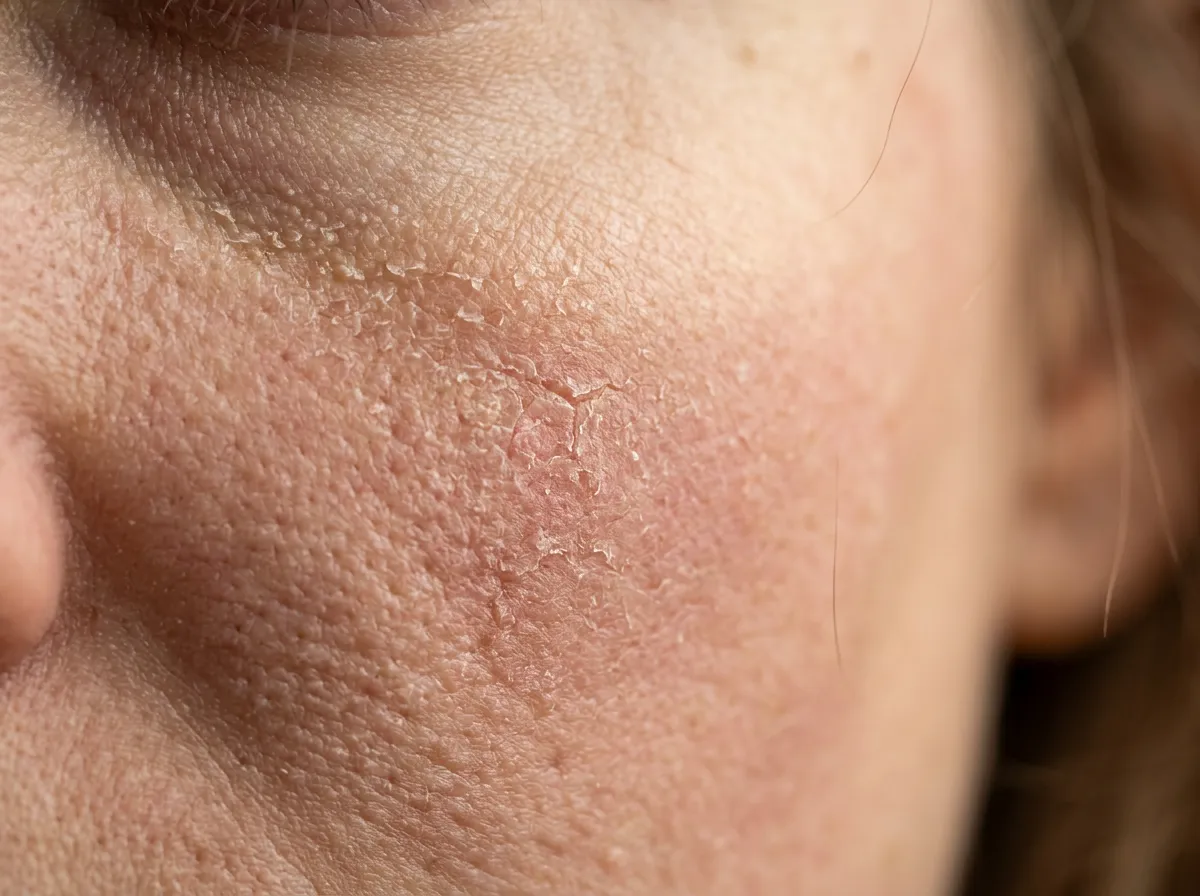
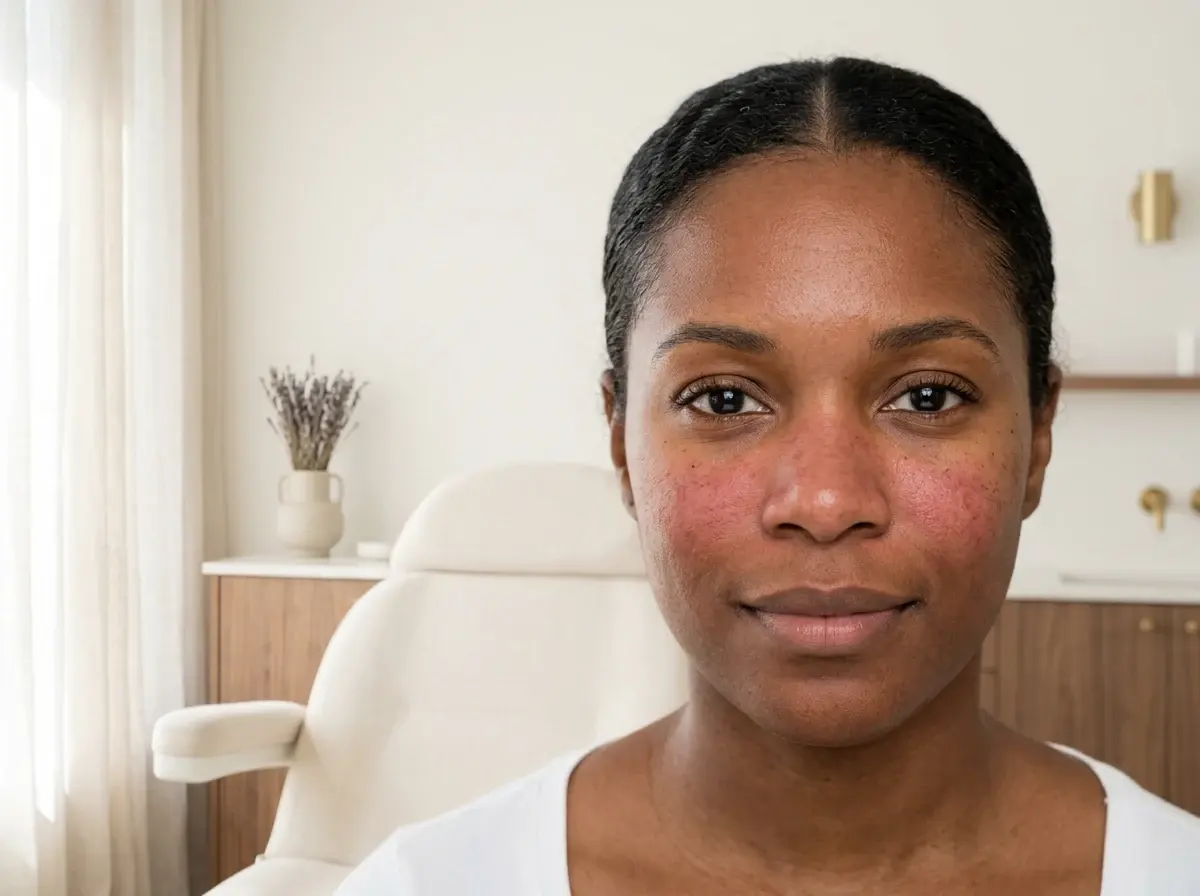
Close-up of dry dehydrated winter skin texture on the cheek
Cold air and low humidity leave skin feeling tight, flaky, and rough.


Signs You Have Dry, Dehydrated Skin

Dry, dehydrated skin can cause many uncomfortable symptoms. Here are some of the most common signs that indicate your skin is lacking moisture:

  • Tightness
  • Flakiness
  • Itchiness
  • Redness

If you spot any of those common symptoms regularly, your skin is likely dehydrated and needs some extra moisture care. Implementing a targeted skin care regimen can help prevent and alleviate dry, tight, flaky skin this winter.

Boosting Hydration With Professional Treatments

Planning to use treatments to improve skin hydration and prevent dryness this winter? These are the most effective options to consider:

HydraFacials

HydraFacials are a type of deep-cleansing treatment that uses a machine with a vortex tip and vacuum effect to gently exfoliate the outer skin layer and clean pores. HydraFacials also deliver intense hydration deep into the skin using serums filled with antioxidants, peptides, and moisturizing ingredients.

The result is instantly plumped, hydrated skin with a natural glow. HydraFacials also provide long-term dry skin relief by clearing away dead skin cells and

The post-peel routine
improving the absorption of the moisturizers you apply at home.
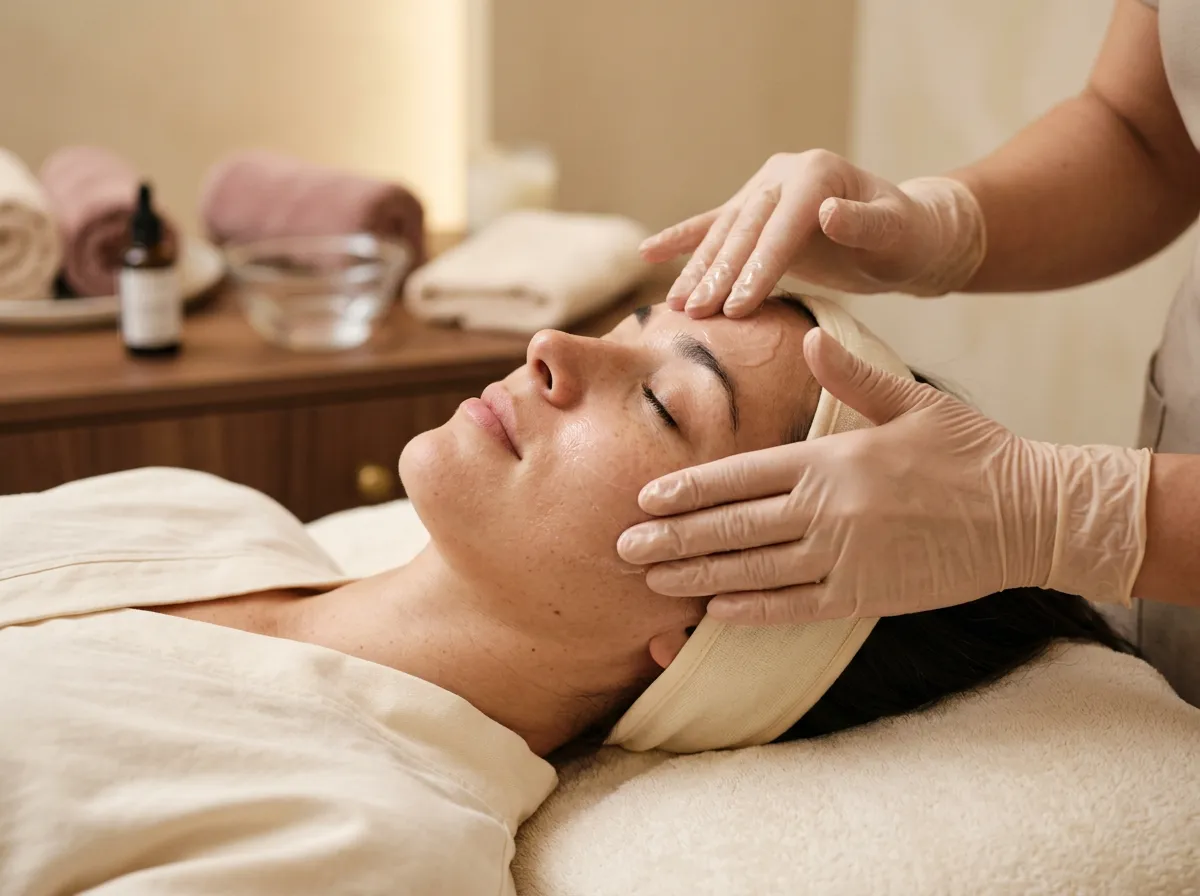
Hydrating facial treatment for winter skin at a Pickering medical spa
Professional treatments deliver deep hydration and a healthy seasonal glow.

Microneedling

Microneedling creates thousands of microchannels in the top layer of the skin using thin needles. After microneedling, we apply a nourishing serum or hydrating platelet-rich plasma (PRP) to allow the ingredients to penetrate much deeper into the skin.

This triggers the body's natural healing response, causing your skin to ramp up collagen and elastin production. The result is glowing, supple skin with a more even tone and visibly reduced signs of aging throughout treatments. Microneedling can dramatically increase hydration levels with deeper, longer-lasting results.

Chemical Peels

Chemical peels applied by an expert aesthetician remove the outer layer of skin cells, promoting healthy new cell turnover and triggering collagen growth.
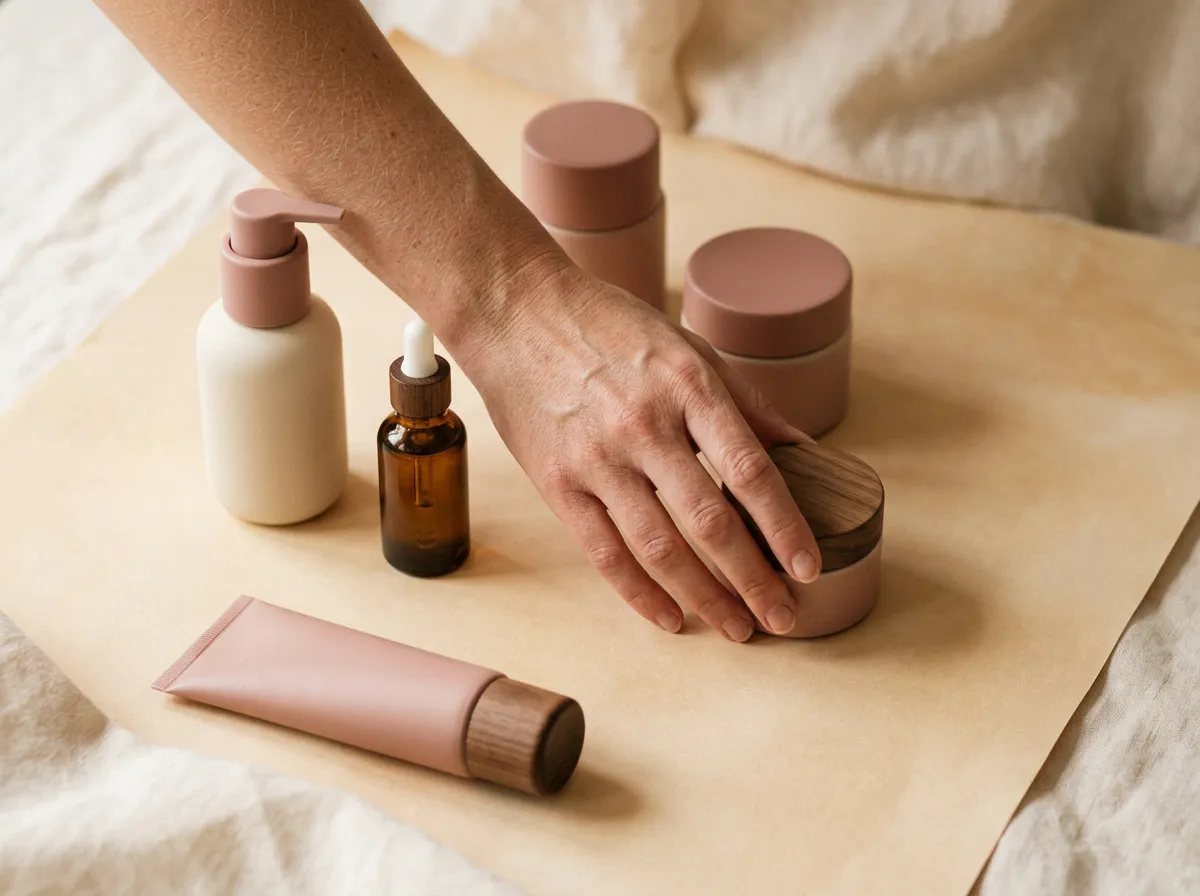
Winter hydration skincare routine flatlay with cleanser serum moisturizer and SPF
A simple hydration-first routine protects your barrier all season.
They are especially helpful for sloughing away dull, dry skin.

To get started, schedule your consultation with me & I’ll tailor your treatment to both your individual needs and aesthetic goals. ⁠I am more than happy to answer any other questions you may have.

Reach out to us to book a treatment. Email us at contact us or call us at (905) 903 3300

Frequently Asked Questions

What causes dry, dehydrated skin in the winter?+

Winter dryness comes from a mix of cold temperatures, low humidity, harsh winds, indoor heating, and frequent hot showers. Together they pull moisture from your skin faster than it can be replenished, leaving it feeling tight, flaky, and rough. A hydration-focused routine and barrier support help keep your complexion comfortable through the season.

How can I tell if my skin is dehydrated versus just dry?+

Dehydrated skin lacks water and tends to feel tight, look dull, and show fine lines that soften when you moisturize. Dry skin lacks oil and often feels flaky or rough. Many people experience both in winter. If you notice tightness, flakiness, itchiness, or redness regularly, your skin likely needs extra moisture and barrier care.

What products should I use for a winter skincare routine?+

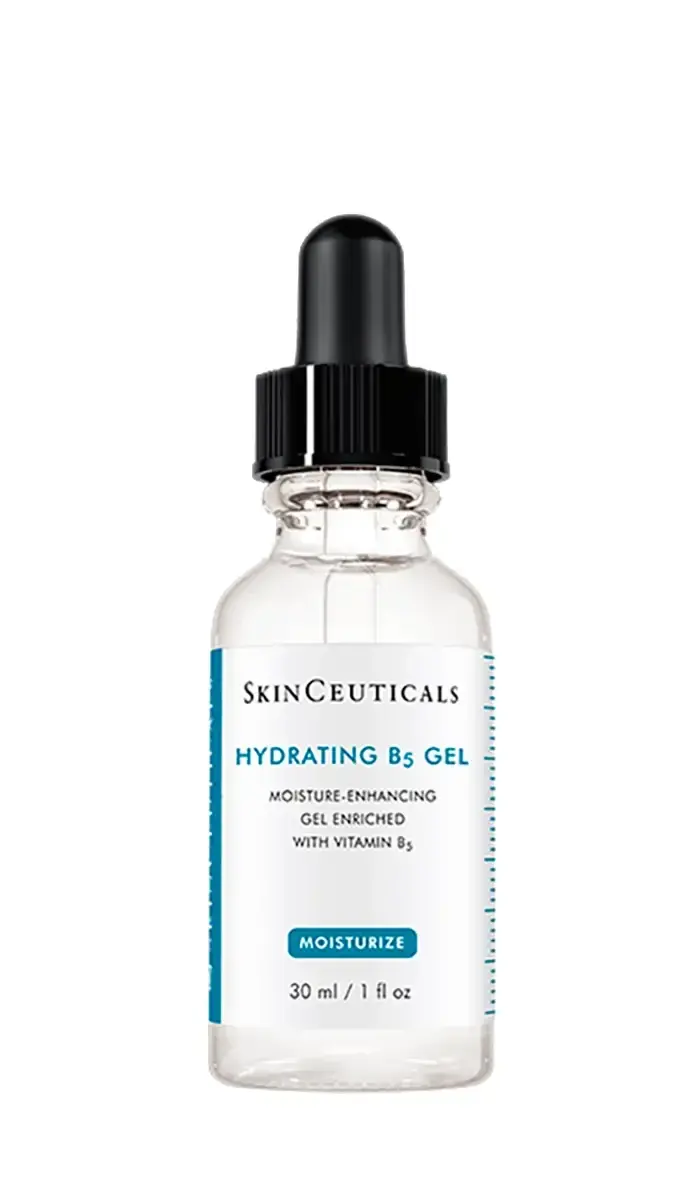
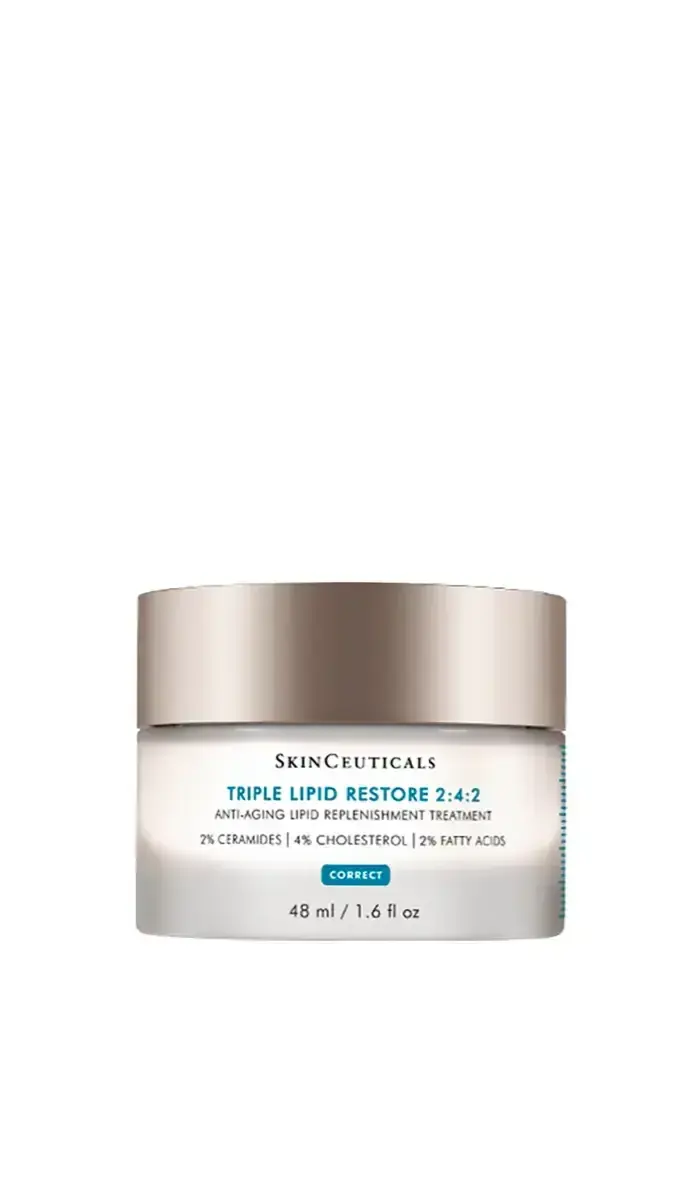
Build around a gentle cleanser that won't strip your barrier, a hydrating serum to draw in water, a richer moisturizer to seal it in, and a daily SPF, since winter sun and snow glare still expose skin to UV. At Victoria Rose Aesthetics in Pickering, we can tailor a routine to your skin type during a consultation.

Which professional treatments help with dry skin in winter?+

Hydrating facials, microneedling, and chemical peels can all support a healthier, more hydrated complexion by exfoliating dull surface cells and improving how well your at-home products absorb. The right option depends on your skin and goals, so a personalized consultation is the best starting point.

Do I still need sunscreen in the winter?+

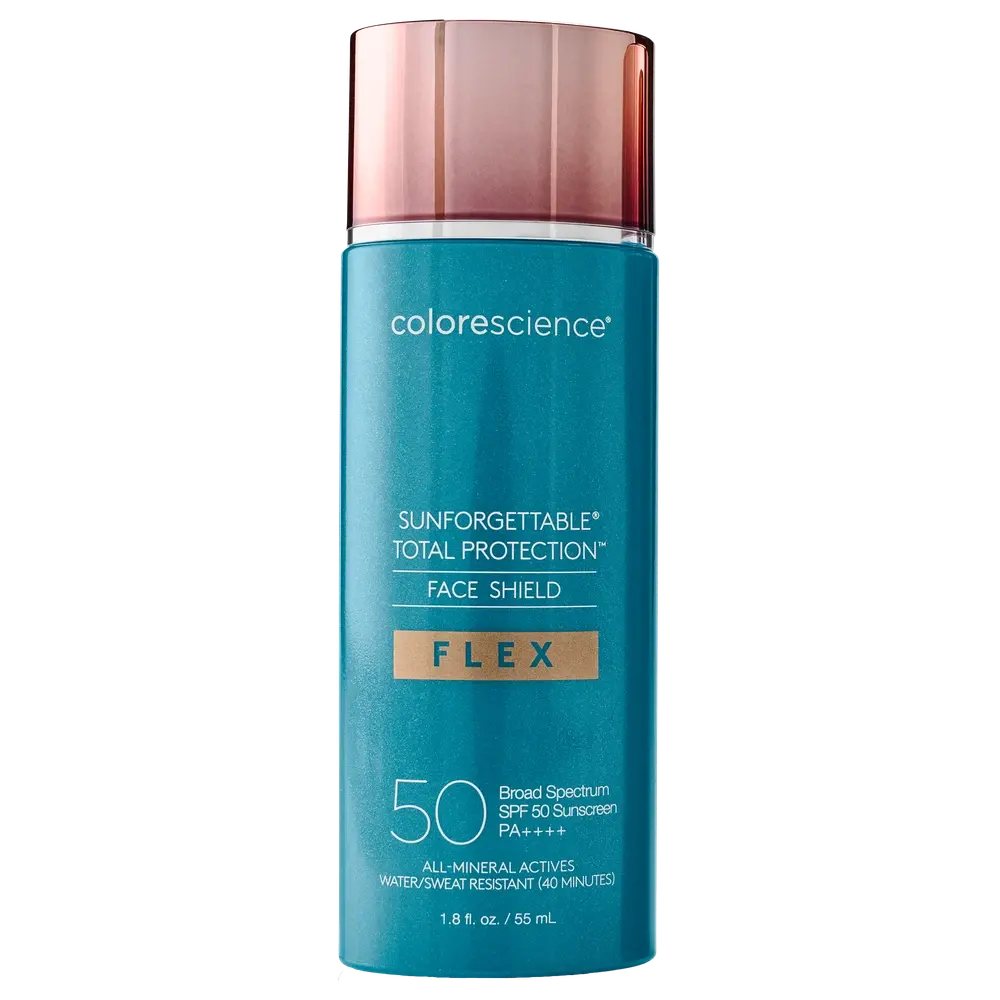
Yes. UV rays reach your skin year-round and can reflect off snow, so daily SPF remains essential in winter to protect against premature aging and uneven skin tone. Apply a broad-spectrum sunscreen each morning as the final step in your hydrating routine.

Explore at Victoria Rose

Ready to talk to a Registered Nurse?

Every consultation at Victoria Rose Aesthetics is complimentary. Get a personalized plan built around your skin.

Book a Consultation
Sources (24)
  1. Tips to stay safe in the sun: from sunscreen to sunglasses. U.S. Food and Drug Administration, 2024.
  2. De Novo Classification Request Decision Summary: SkinPen Precision System (DEN160029). U.S. Food and Drug Administration, CDRH, 2018.
  3. Dermatologists' tips to relieve dry skin. American Academy of Dermatology, 2026.
  4. Dry skin: causes. American Academy of Dermatology, 2026.
  5. Melasma: Diagnosis and treatment. American Academy of Dermatology (aad.org), 2022.
  6. Retinoid or retinol?. American Academy of Dermatology (aad.org), 2023.
  7. Sunscreen FAQs. American Academy of Dermatology (aad.org), 2023.
  8. Evaluating the Efficacy and Safety of Alpha-Hydroxy Acids in Dermatological Practice: A Comprehensive Clinical and Legal Review. Clinical, cosmetic and investigational dermatology, 2024.
  9. Chemical Peels in Skin of Color: A Scoping Review of Safety, Efficacy, and Practice Patterns. Cureus, 2026.
  10. Microneedling in Dermatology: A Comprehensive Review of Applications, Techniques, and Outcomes. Cureus, 2024.
  11. The Influence of Sunscreen Use on Skin Pigmentation Disorders: Melasma, Post-Inflammatory Hyperpigmentation, and Vitiligo. Current Issues in Molecular Biology, 2026.
  12. Evaluation of Device-Based Cutaneous Channels Using Optical Coherence Tomography: Impact for Topical Drug Delivery.. Dermatologic surgery : official publication for American Society for Dermatologic Surgery [et al.], 2022.
  13. Professional-Grade TCA-Lactic Acid Chemical Peel: Elucidating Mode of Action to Treat Photoaging and Hyperpigmentation. Frontiers in medicine, 2021.
  14. Cosmetic Benefits of Medium-Depth Chemical Peels for Moderate Acne Lesions and Atrophic Acne Scars: A Single-Arm Clinical Trial in Young Adults. Journal of clinical medicine, 2025.
  15. Advances in the Application of Chemical Peels in the Treatment of Pigmentary Skin Disorders. Journal of cosmetic dermatology, 2026.
  16. Evaluation of the Efficacy and Safety of a Panthenol-Enriched Mask for Skin Barrier Recovery After Facial Laser Treatment. Journal of Cosmetic Dermatology, 2025.
  17. Procedural Treatments as Adjuncts in the Management of Acne Vulgaris: A Narrative Review. Journal of cosmetic dermatology, 2026.
  18. A Comprehensive Bibliographic Review Concerning the Efficacy of Organic Acids for Chemical Peels Treating Acne Vulgaris. Molecules (Basel, Switzerland), 2023.
  19. Multi-omics analysis to evaluate the effects of solar exposure and a broad-spectrum SPF50+ sunscreen on markers of skin barrier function in a skin ecosystem model. Photochemistry and Photobiology, 2025.
  20. Beyond UV: Visible Light and Pigmentation. Photodermatology, Photoimmunology & Photomedicine, 2026.
  21. Collagen study advances for photoaging skin. Photodermatology, Photoimmunology & Photomedicine, 2024.
  22. TCA chemical peel as facial anti-aging therapy for postmenopausal women: a randomised clinical study. Postepy dermatologii i alergologii, 2025.
  23. Comparative efficacy of topical interventions for facial photoaging: a network meta-analysis. Scientific Reports, 2025.
  24. Daily Photoprotection Mitigates Seasonal Skin Changes and Supports Skin Longevity: A 1-Year in vivo 3D Multiphoton Microscopy Study. Skin Pharmacology and Physiology, 2026.